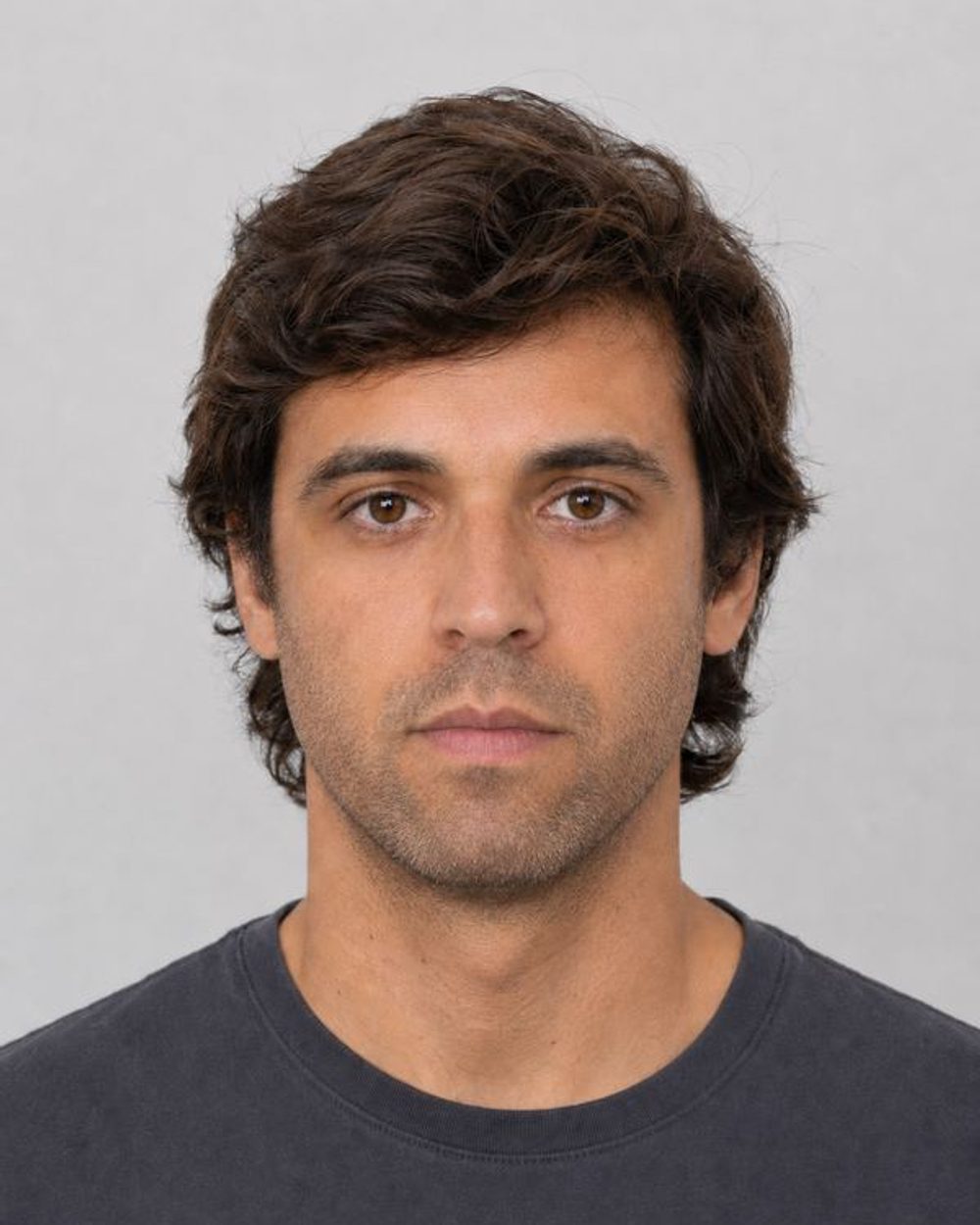
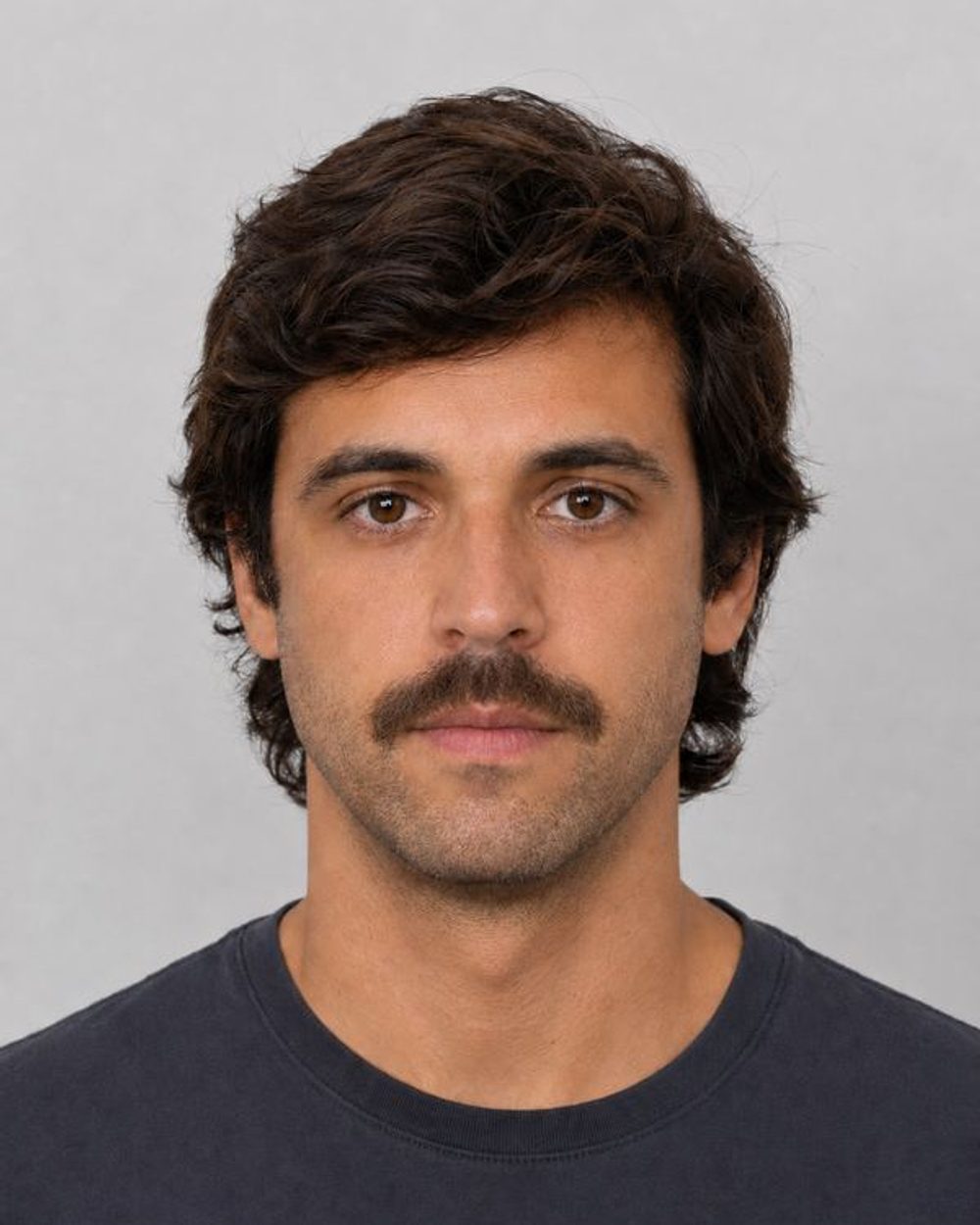
Full Beard
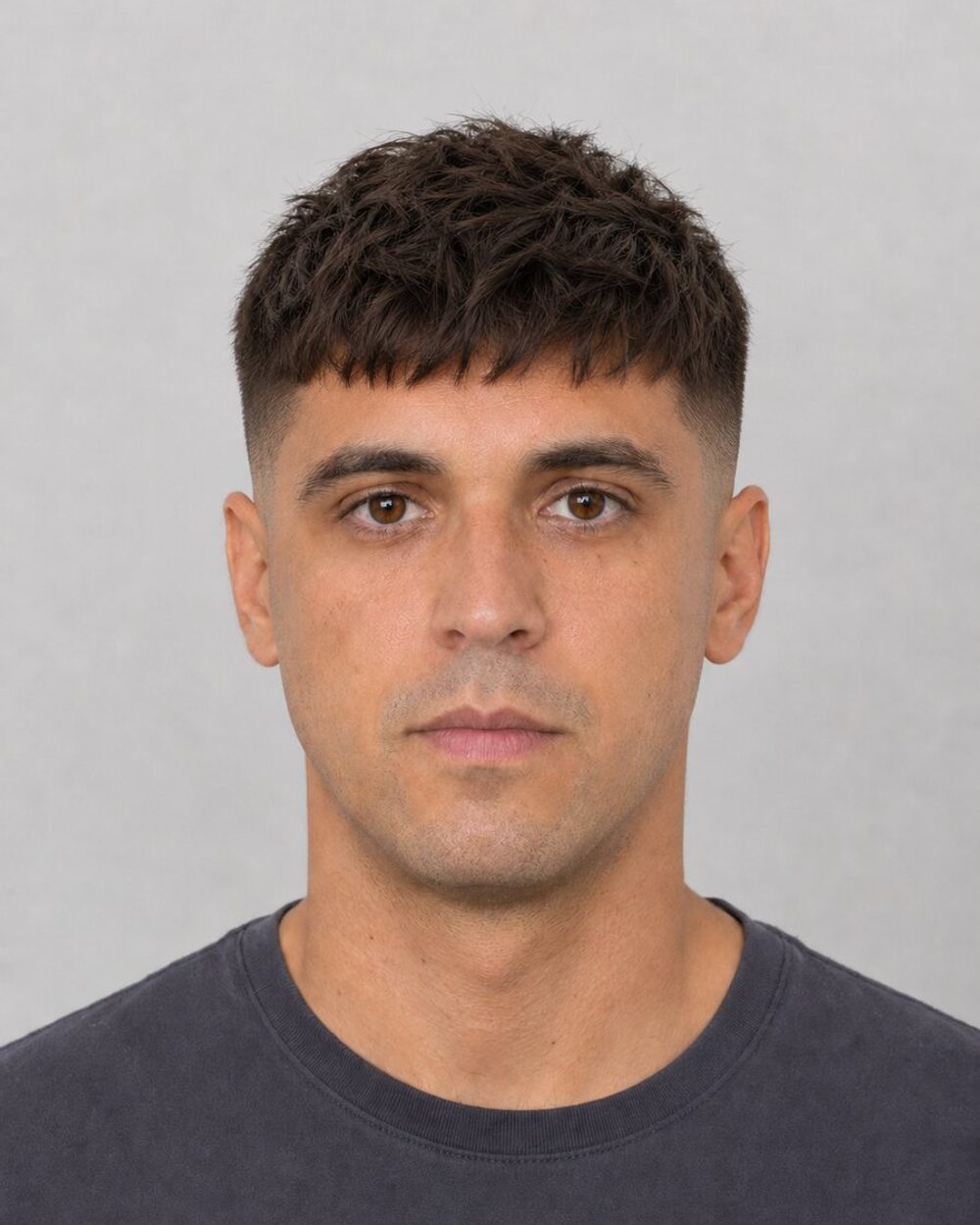
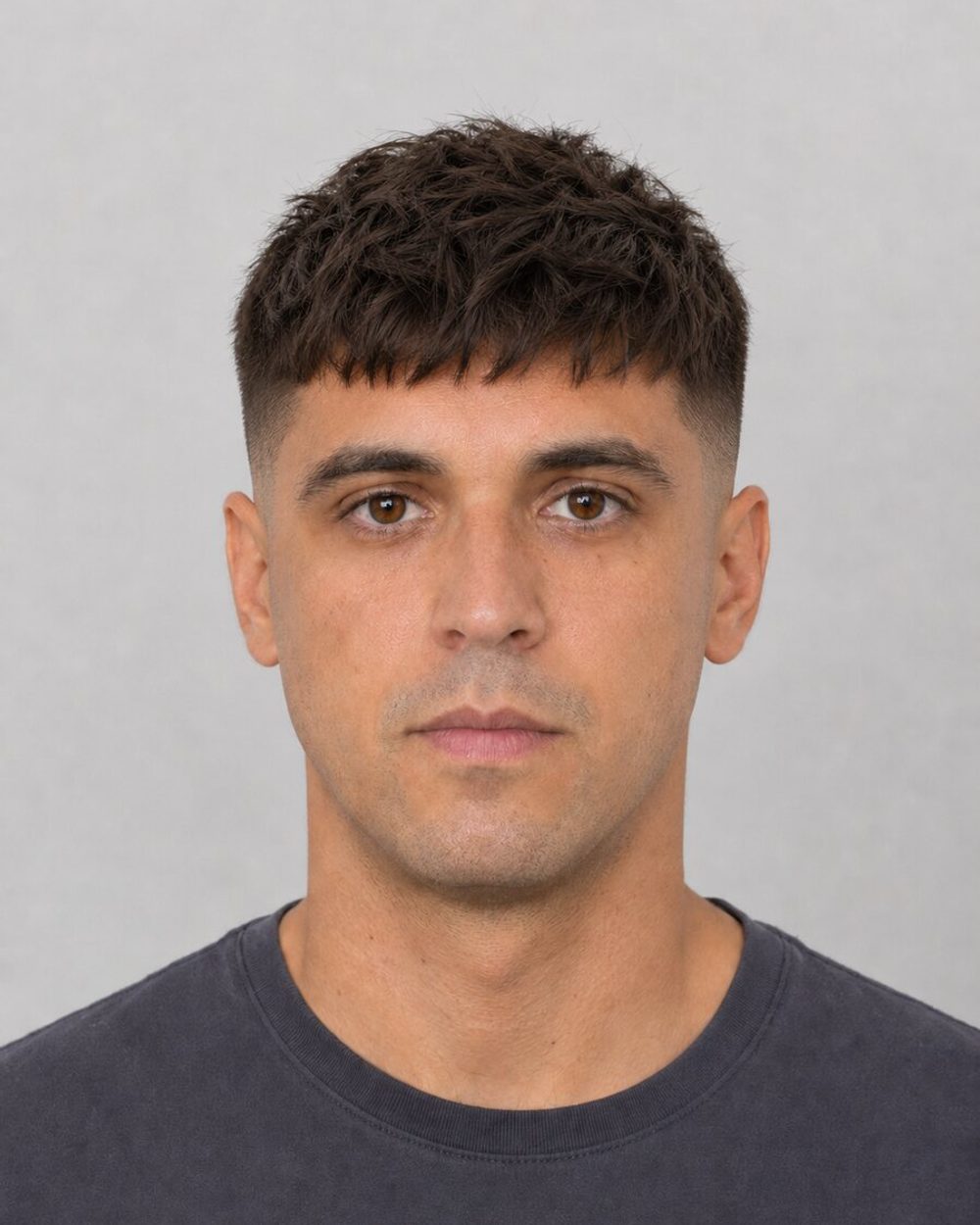
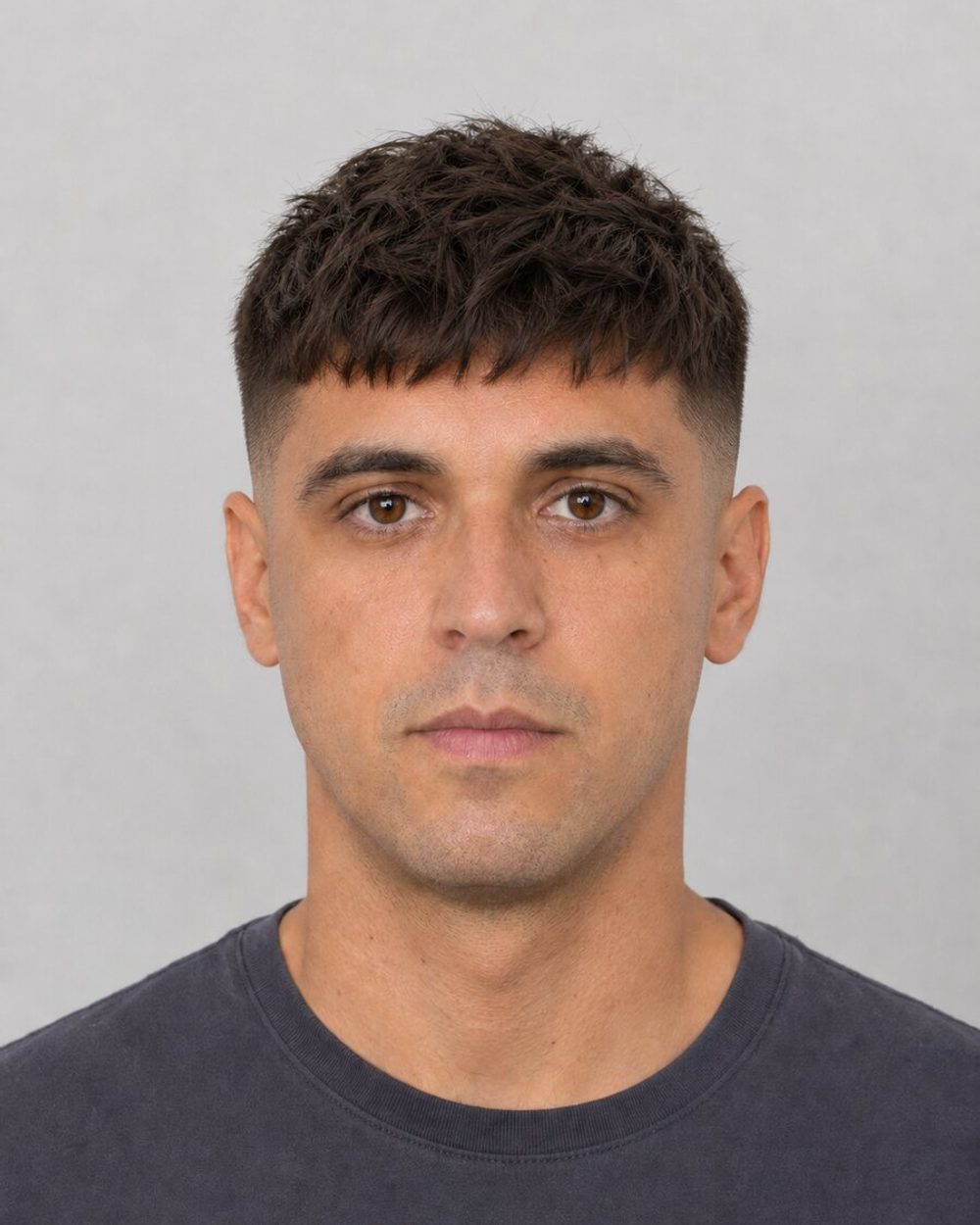
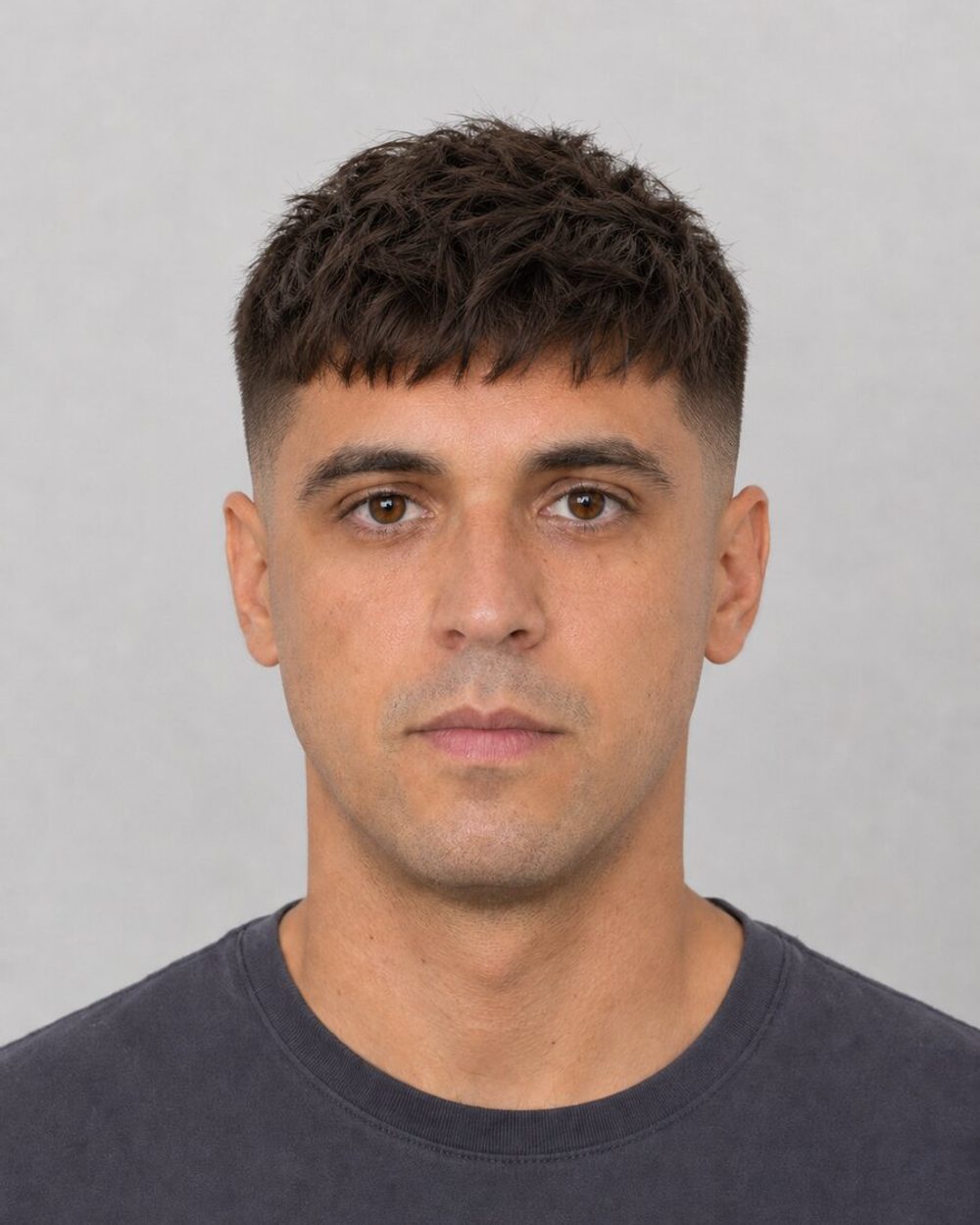
A full, established beard following your natural jawline — see whether the length and density suit your face before you grow for months.
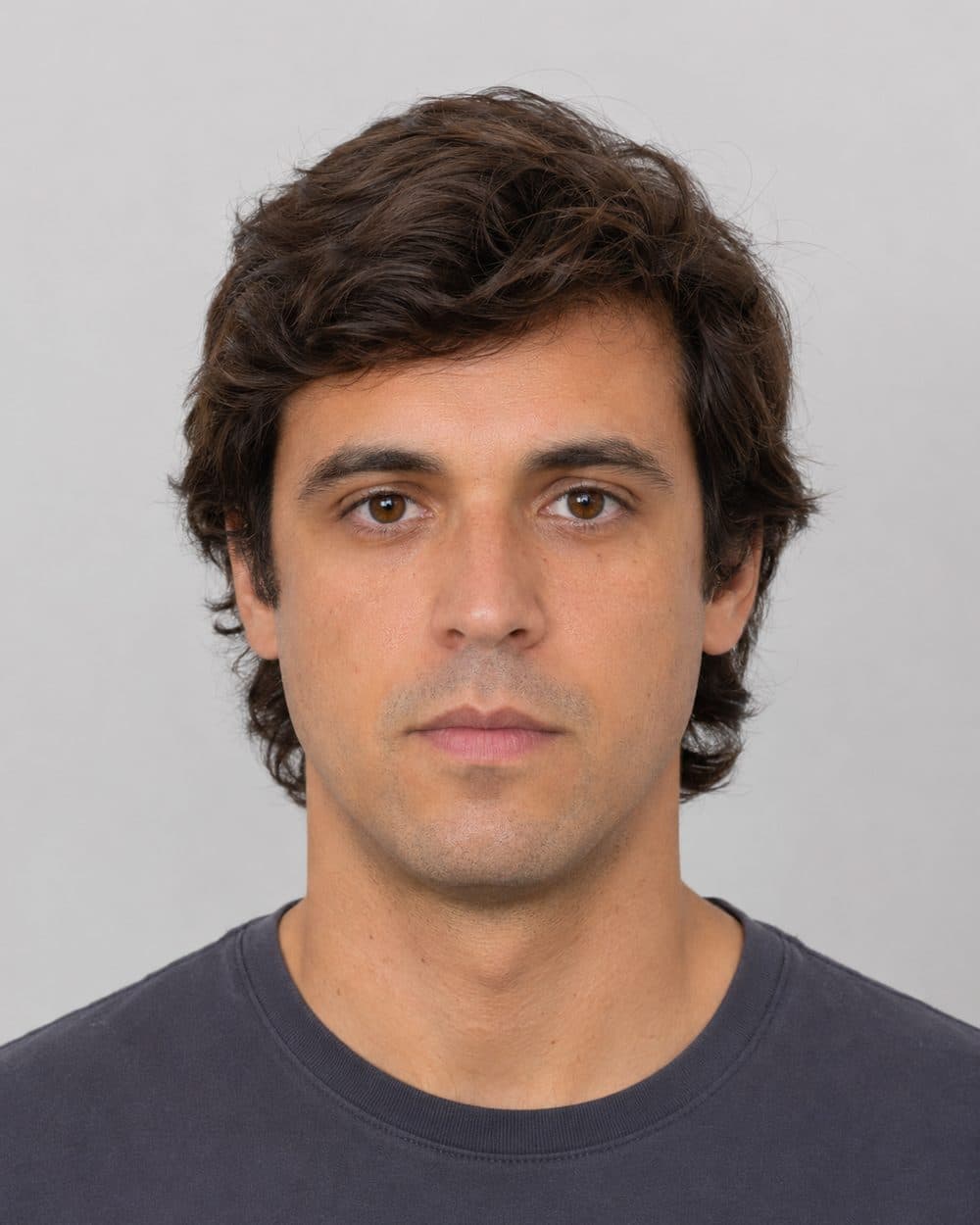
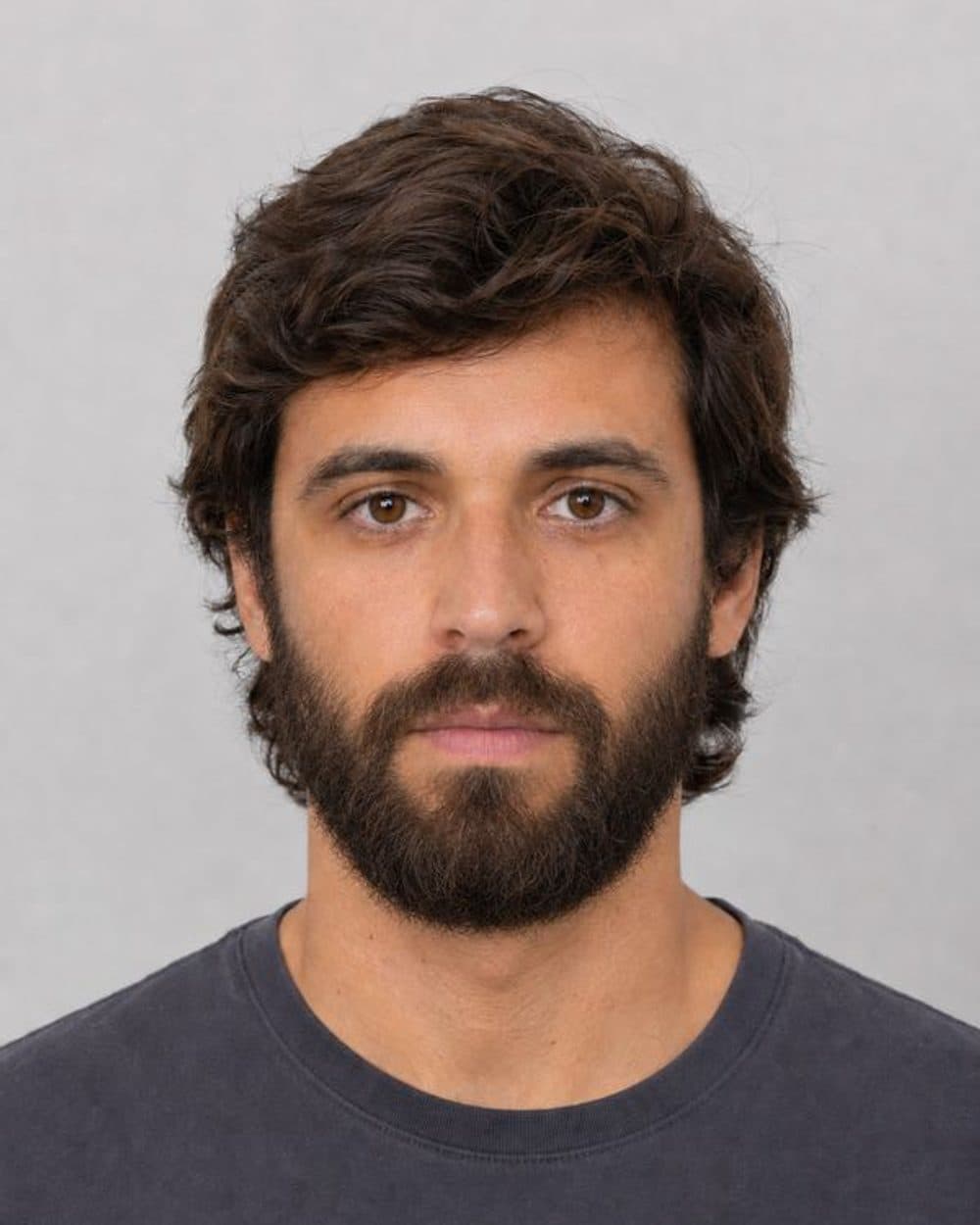
Real result — same face, not a stock model or a filter.
Not sure it suits your face? Check your face shape — free →
Who it suits
The full beard rewards faces that can carry the additional weight it adds to the lower third. Men with a strong jawline find it amplifies that structure; men with a softer or receding chin find the beard creates definition they don't have naturally. Oval and oblong face shapes wear a full beard most easily because the added length from chin to neck doesn't distort their proportions. Rounder or wider faces benefit from keeping the sides shorter and the chin longer to add a vertical line. The beard also adds an apparent age of several years — for men who look young, that reads as authority; for men who already look their age, it can age them further, which is worth previewing.
What to expect in real life
The three-to-five week grow-out is the hardest part: the itching phase peaks around week two, and many men quit here before the beard settles and softens. Once you're past six weeks the beard starts to take real shape. A full beard still needs maintenance — a trim every two to three weeks to remove split ends and keep the neckline defined, and daily care with beard oil to keep both the hair and the skin underneath from drying out and flaking. Long beard hair can be coarser and more wiry than scalp hair, so a boar-bristle brush helps train it to lie flat. The beard you see at four months looks markedly different from the one at eight months as the terminal length and natural curl become clear.
How this is different from a filter
A filter can add a brown or gray blob over the lower face but it tells you nothing about how a full beard would interact with your jaw width, your nose shape, or the proportion between your upper and lower face. Stylery renders the beard with real density, hair direction and the natural flow along the jawline on your actual photo. The length, fullness and the way the mustache connects to the chin beard are all placed relative to your specific features. Your skin, eyes and the upper two-thirds of your face stay completely unchanged, which means you're evaluating a real decision — how much of your face do you want the beard to own — rather than guessing from a stranger's photo.