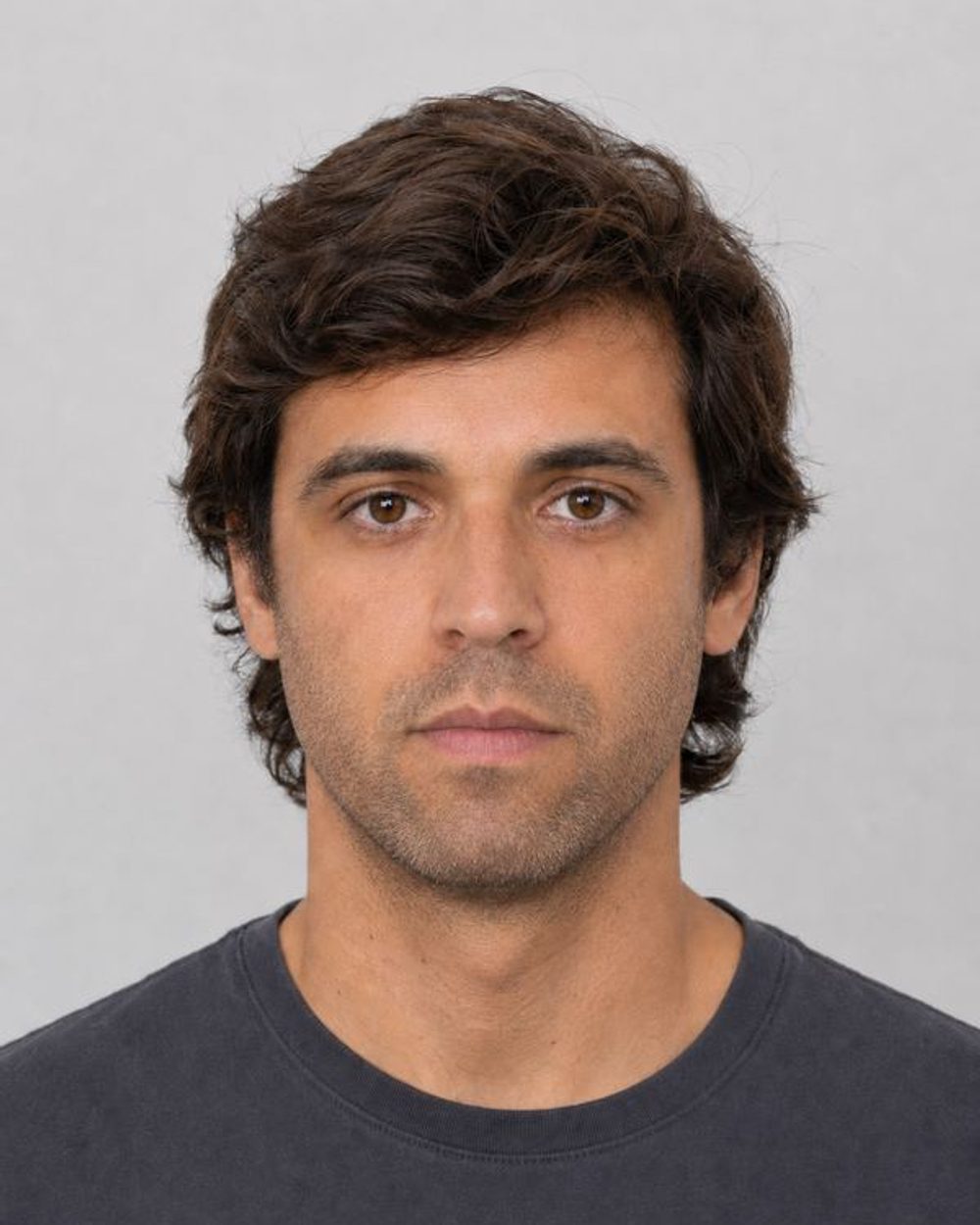
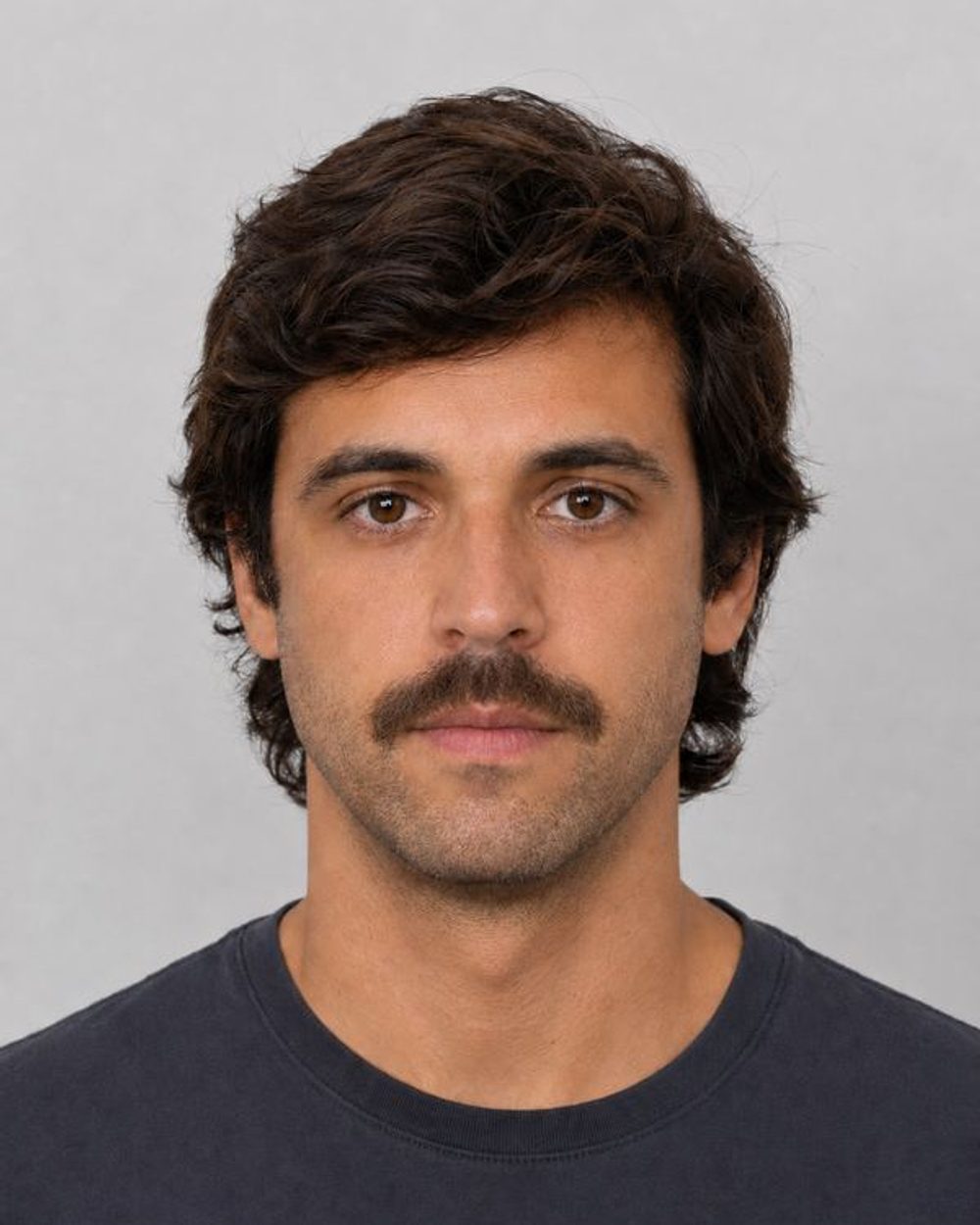
Mustache
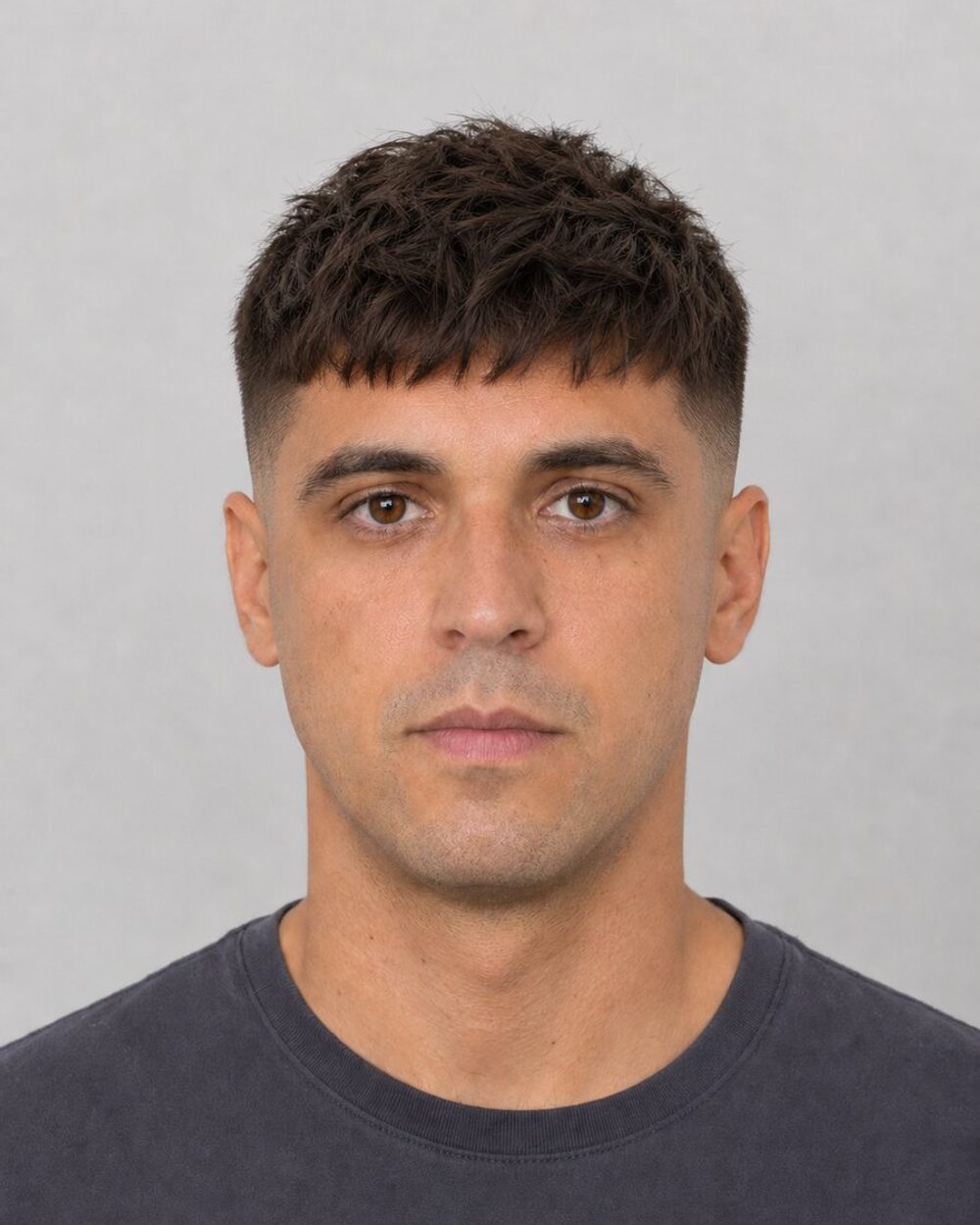
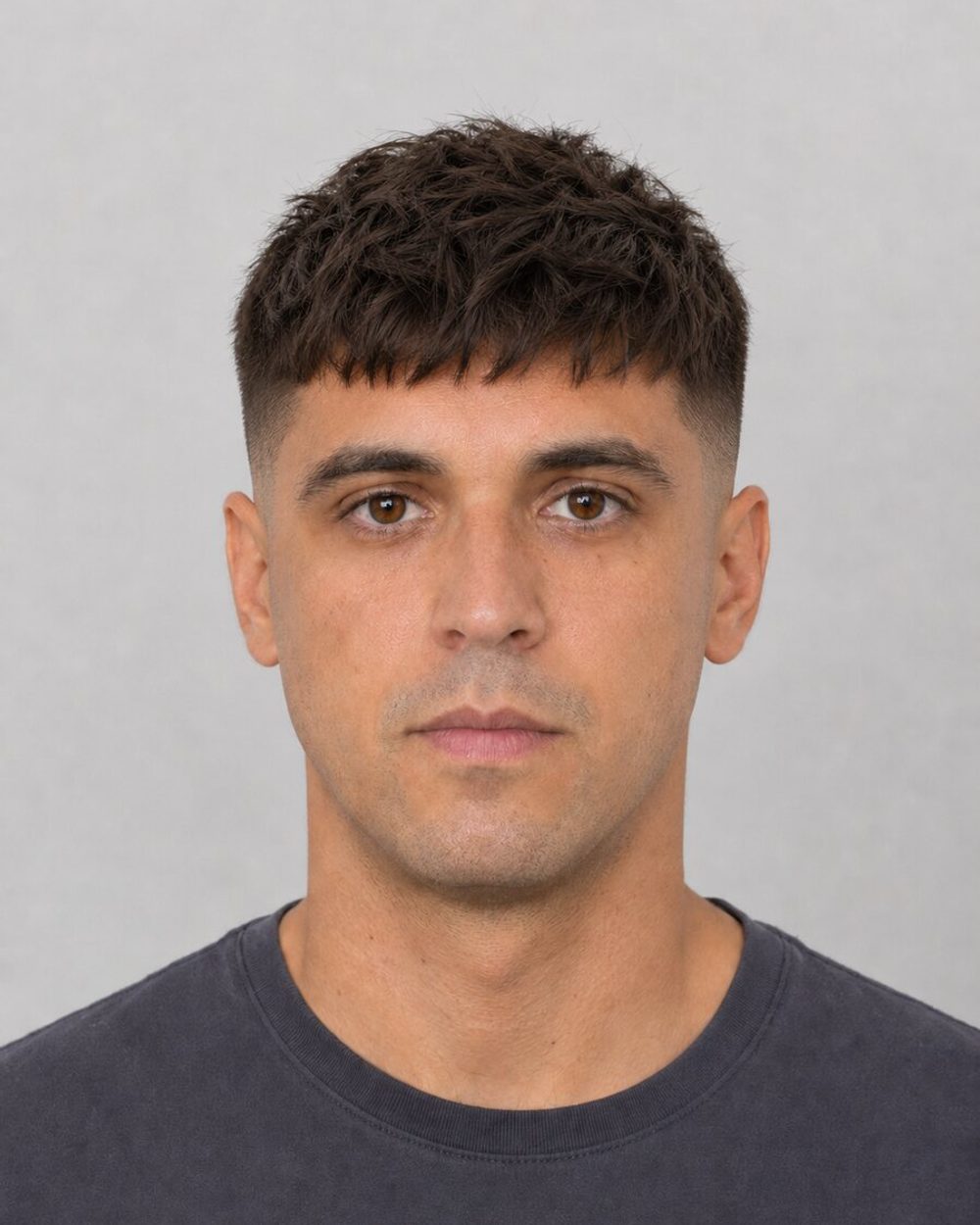
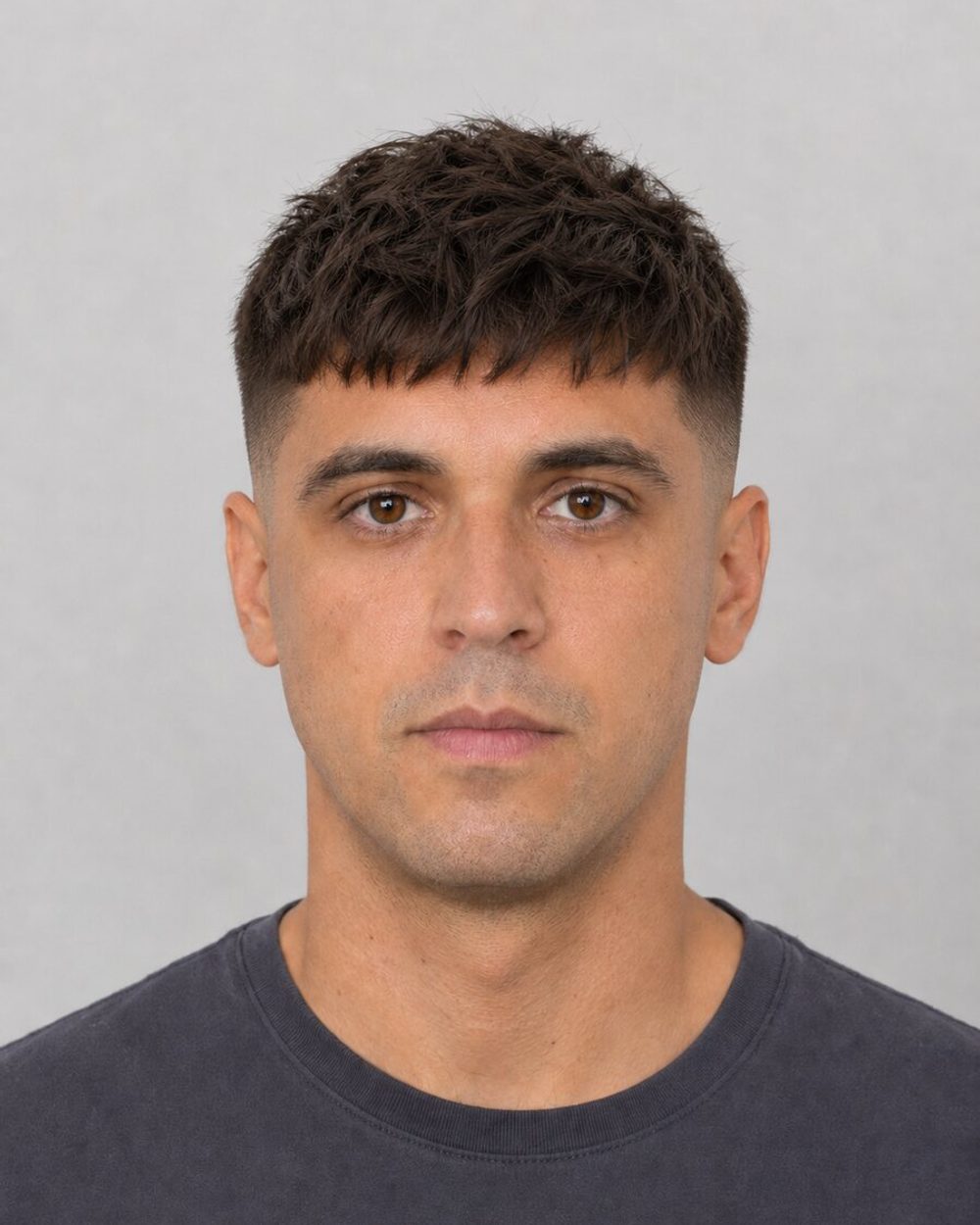
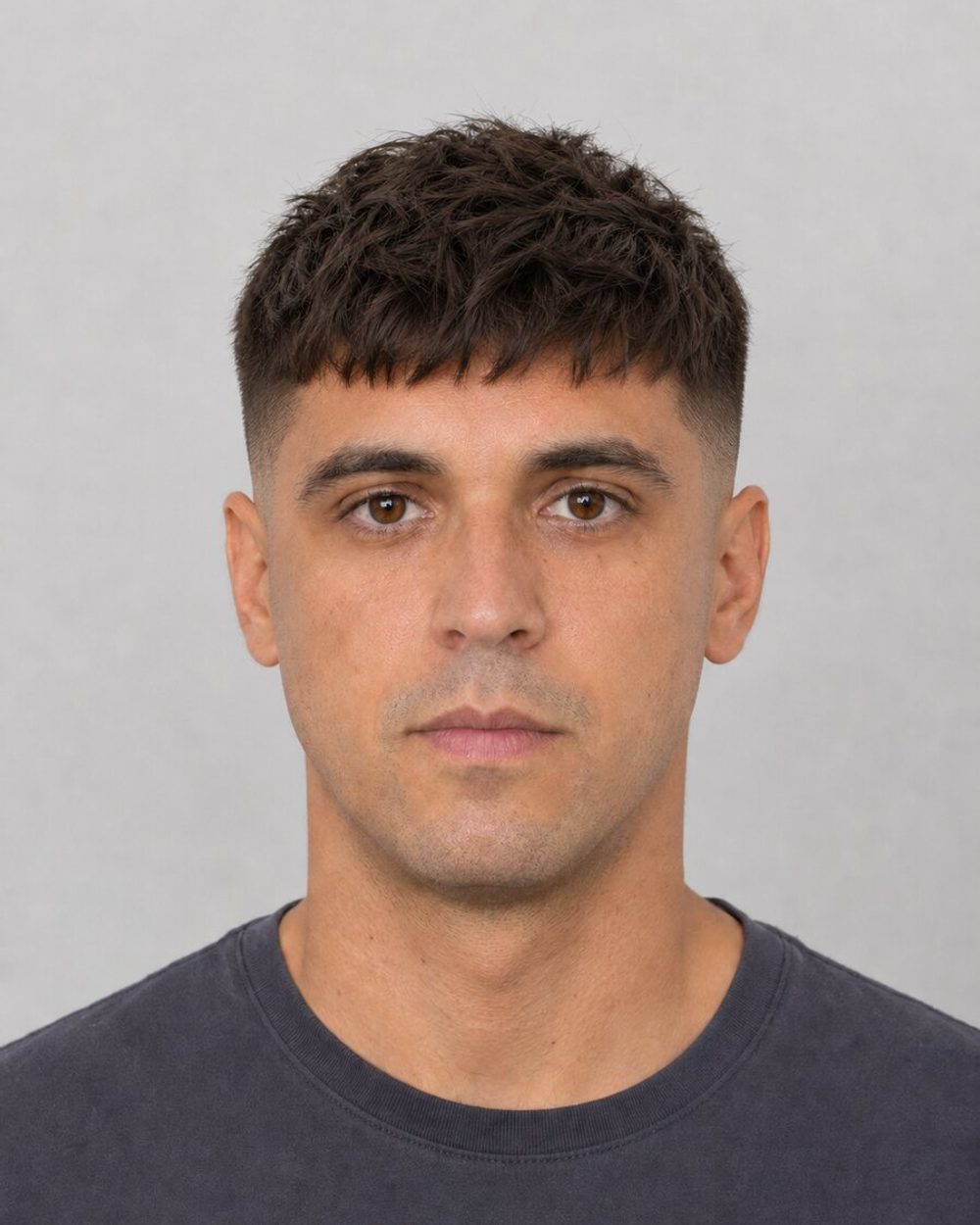
A clean, isolated mustache on the upper lip — everything else bare — see how the standalone statement reads on your own photo.
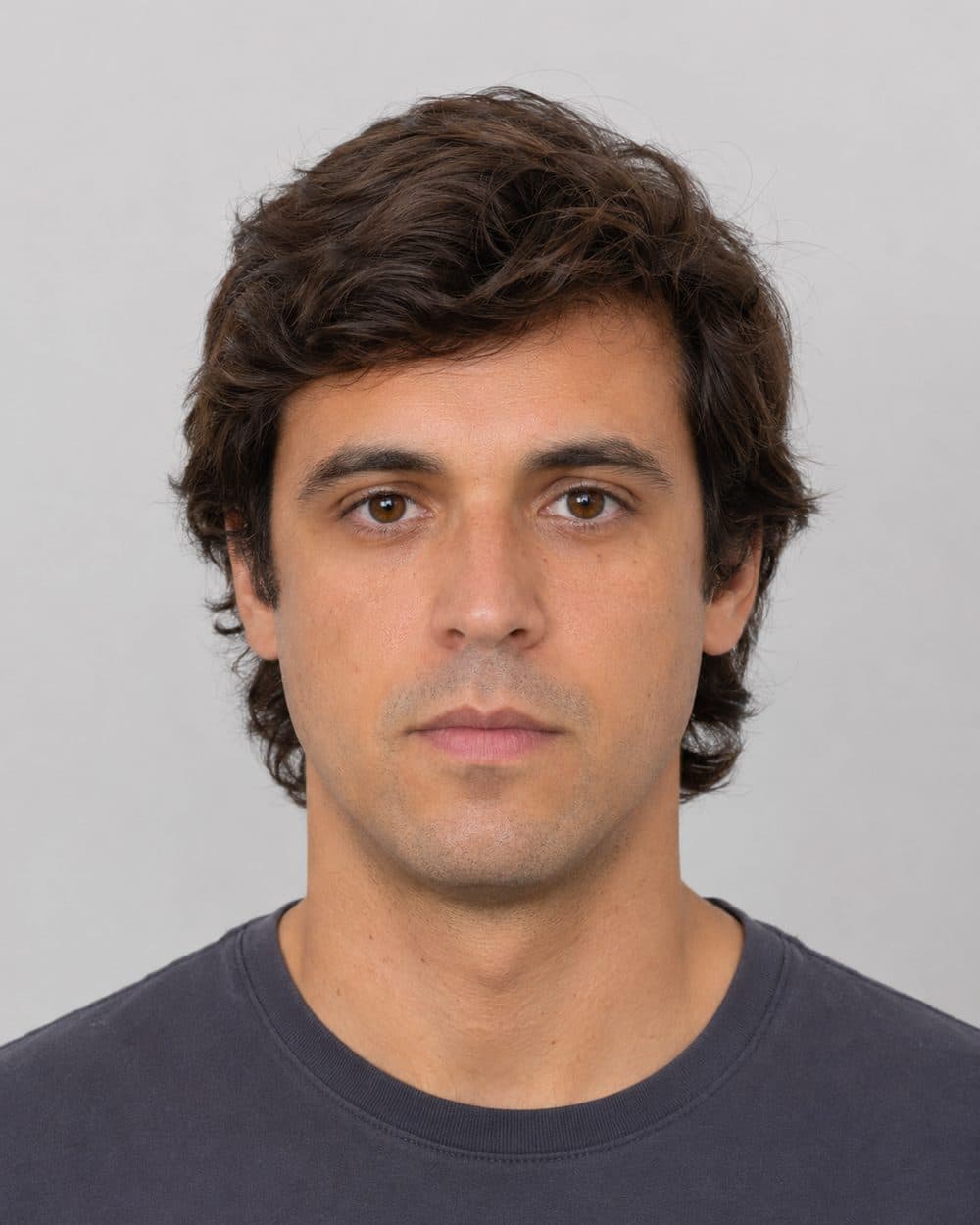
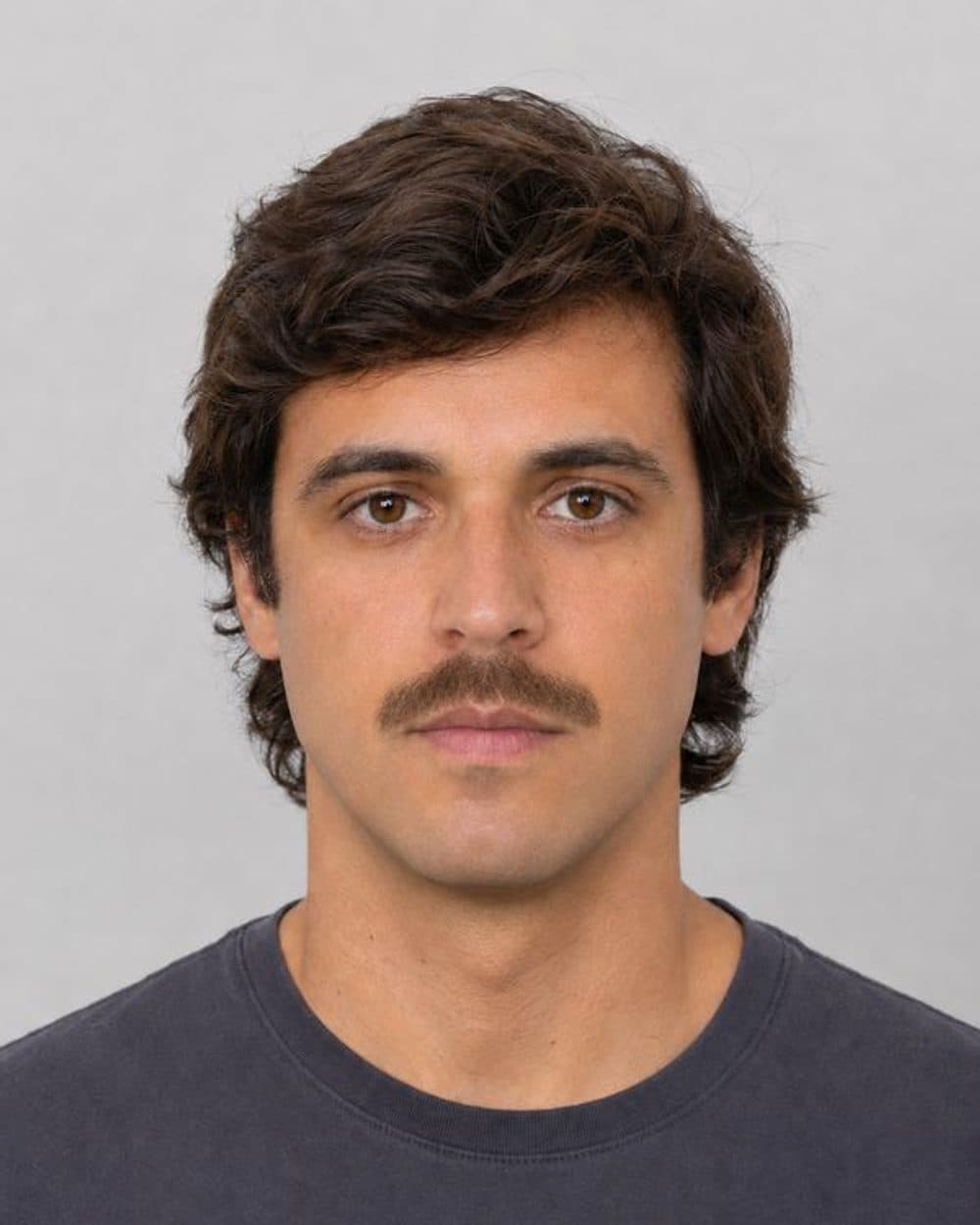
Real result — same face, not a stock model or a filter.
Not sure it suits your face? Check your face shape — free →
Who it suits
A standalone mustache is one of the most distinctive facial hair choices because it makes no attempt to blend into a larger beard — the upper lip is the entire statement. It suits men with a prominent upper lip, a strong philtrum, or a fuller face where the mustache provides a horizontal counterpoint to wide cheeks. Classically proportioned oval faces wear it without friction. Men with a very thin or short upper lip may find the mustache thickens the appearance of that feature in a flattering way, while very wide faces need to be careful that a wide, thick mustache doesn't add further horizontal width. It pairs particularly well with stronger noses and defined brow arches, where the vertical and horizontal lines create a balanced composition.
What to expect in real life
Growing a mustache in isolation feels uncomfortable for the first two to three weeks as it crosses the length where it sits above the lip and starts to droop onto it. Trimming the lower edge — so it stays just above the lip line — is the single most important maintenance task and needs attention every five to seven days. The sides of the mustache benefit from a precision trimmer pass to keep the corners tidy. The rest of the face must stay genuinely smooth: day-old stubble elsewhere dilutes the intentional isolation that makes a standalone mustache work. A small amount of mustache wax can train the hairs to lie flat and is optional but useful once you're past the four-week mark. The style has periodic cultural moments, so it can read as retro or ironic depending on context — worth thinking about before committing.
How this is different from a filter
The thing you most need to know about a standalone mustache is whether it reads as intentional and balanced against your specific face — and that's impossible to judge on someone else. A filter can't map the mustache to your actual upper lip width, your nose width, or the proportion of hair to bare skin on your face. Stylery places the mustache on your own photo, with the coverage sitting across your upper lip and everything else clean. Because your face, skin and features remain completely unchanged, you can judge the one question that matters: does the mustache belong on this face, or does it look like something was added in post?