Goatee
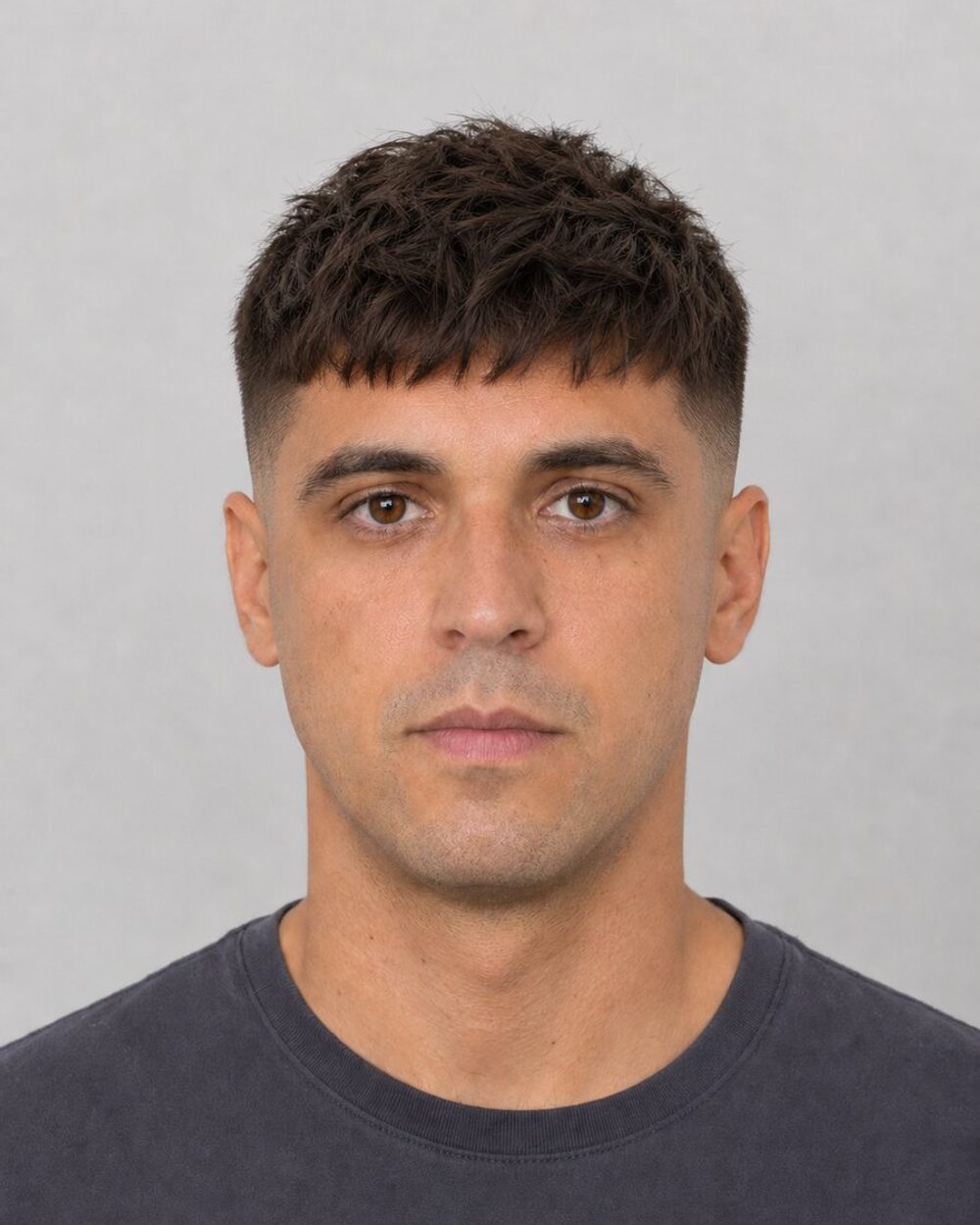
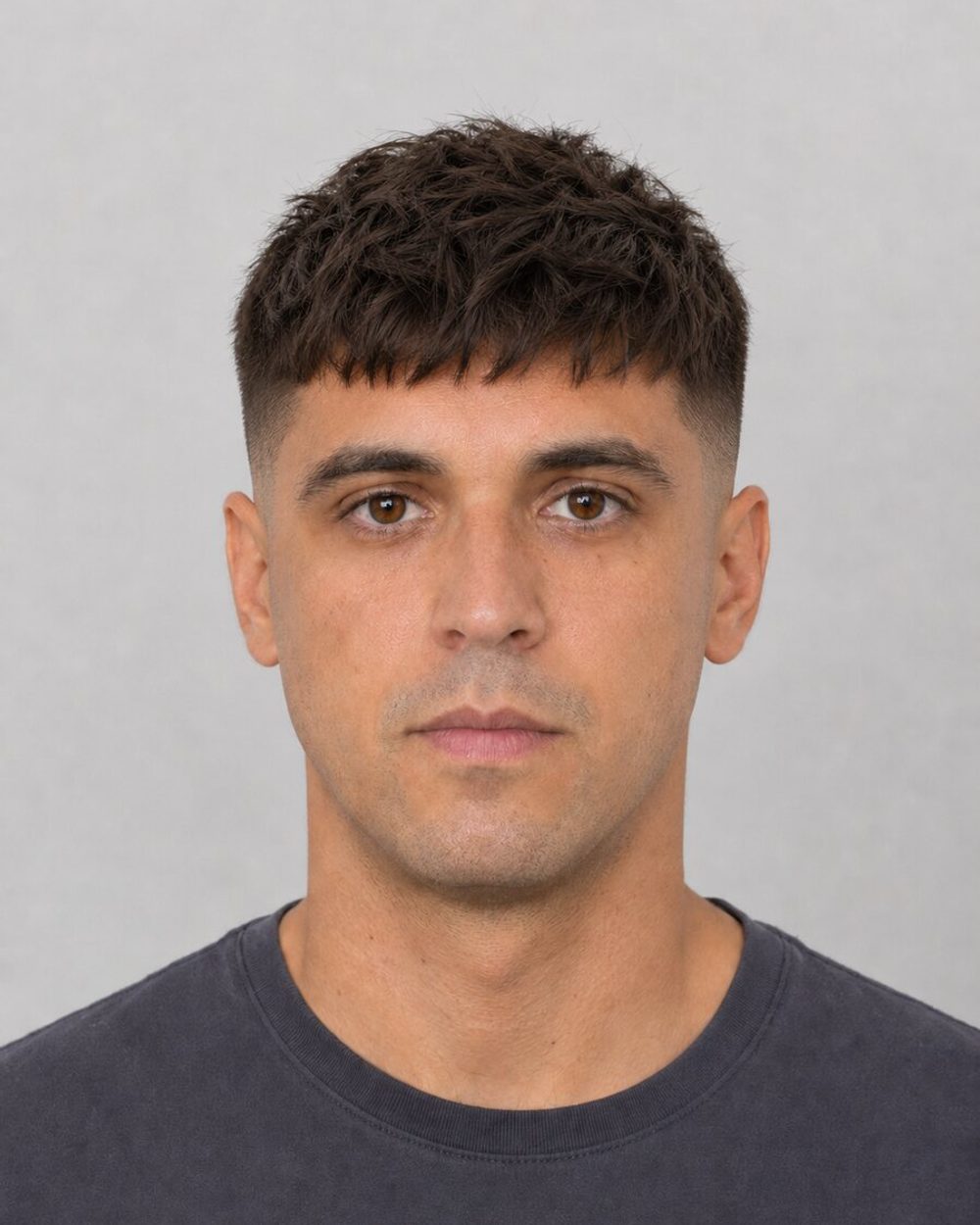
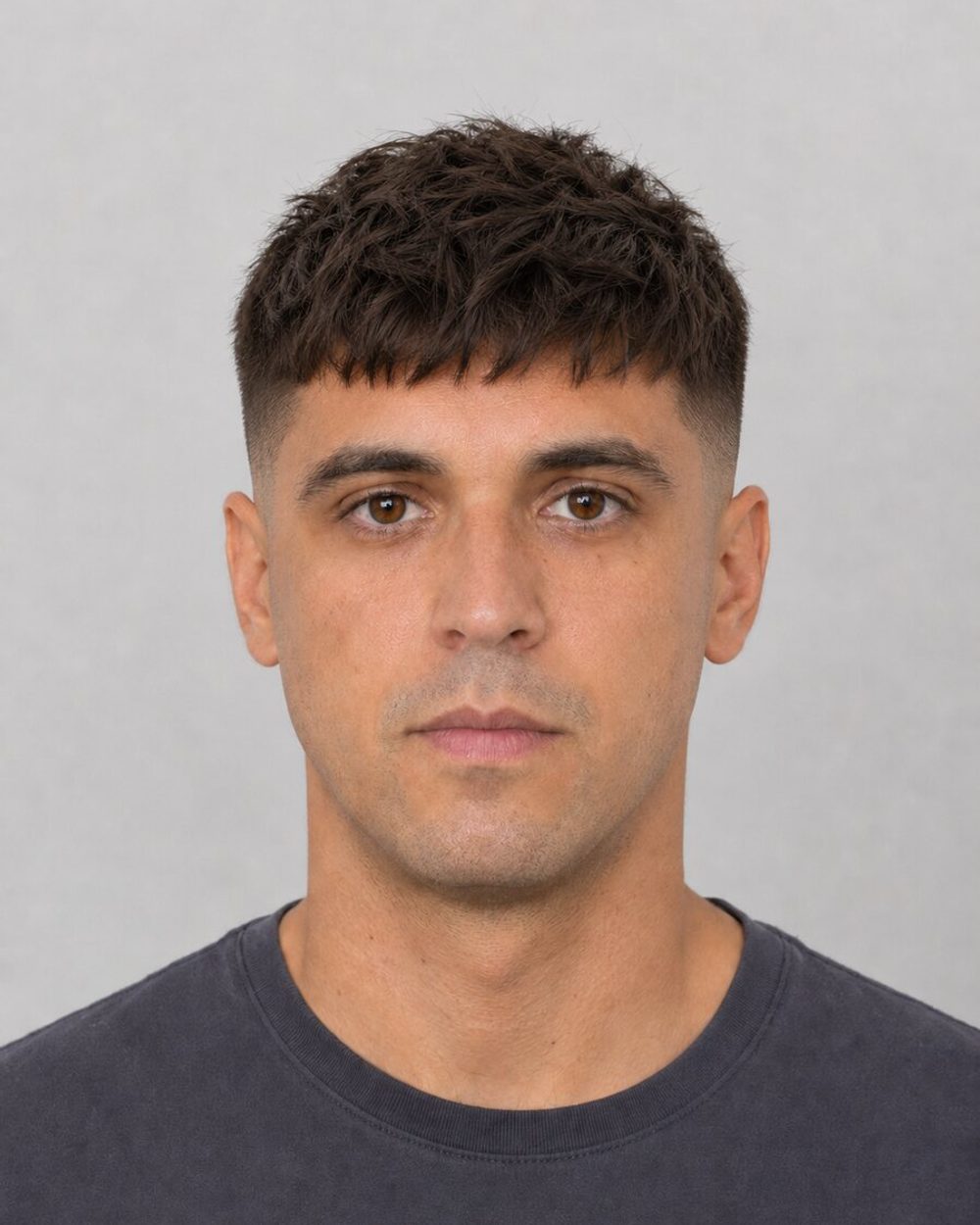
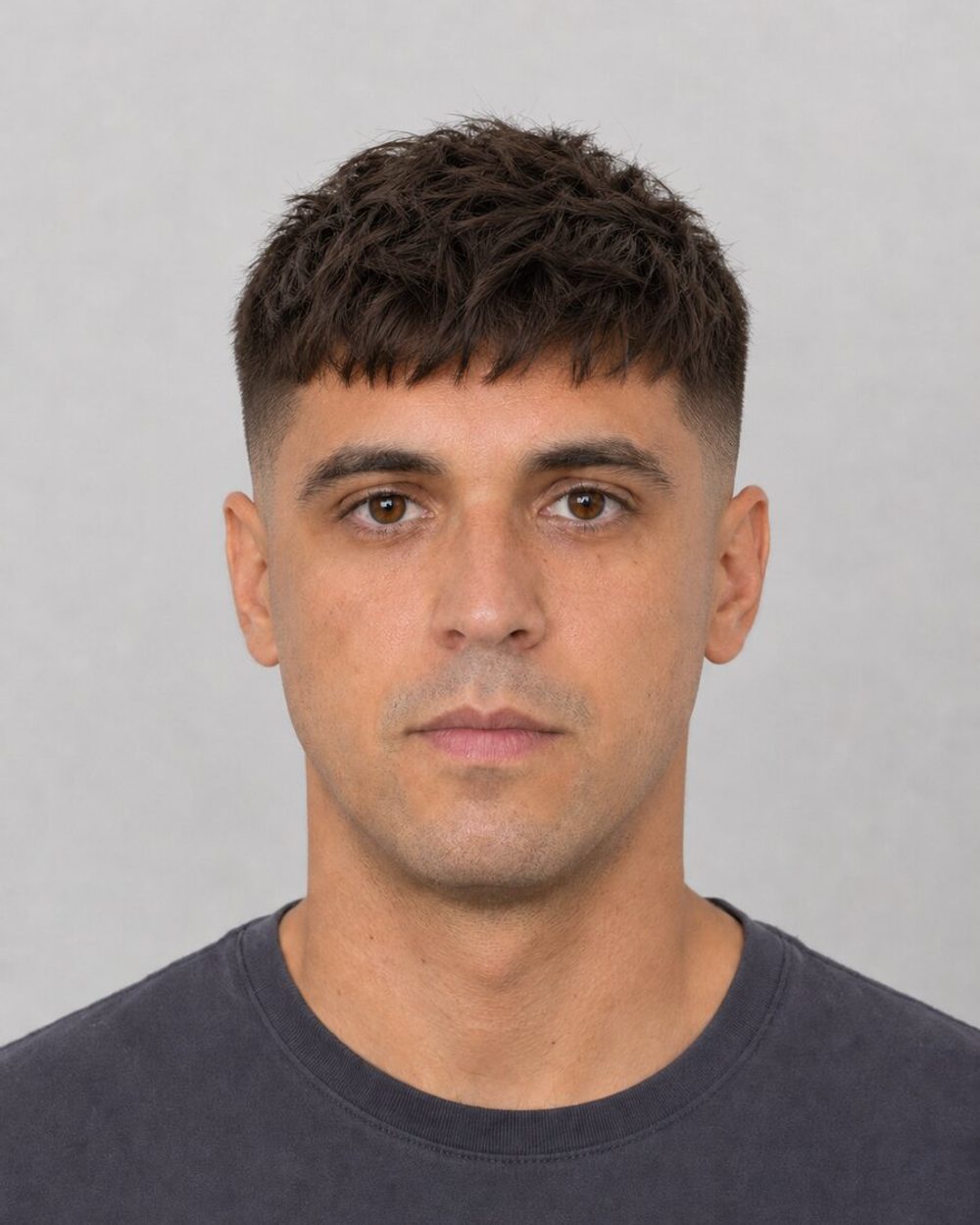
Chin patch joined to a standalone mustache, cheeks completely clean — see how the Van Dyke contrast reads on your actual face first.


Real result — same face, not a stock model or a filter.
Not sure it suits your face? Check your face shape — free →
Who it suits
The goatee's signature is the bare-cheek-versus-chin contrast, and that contrast does specific visual work: it pulls the eye toward the chin and mouth area, elongating rounder or wider faces by creating a vertical focal point. It's particularly effective on men with a round face shape who find a full beard adds too much bulk, or men whose beard grows sparsely on the cheeks but well on the chin and around the lips — which is a very common growth pattern. The Van Dyke style (chin patch and mustache as separate elements with a gap between them) reads more refined than a classic connected goatee, and the clean cheeks make the face look well-groomed even if jaw-line growth is patchy.
What to expect in real life
The goatee's maintenance burden is split between two tasks: keeping the chin patch shaped and touching up the clean-shaven cheeks. The chin patch itself is fairly easy to maintain — a weekly trim with scissors or a precision trimmer keeps the outline honest. The harder part is the cheeks and jaw sides, which need to stay genuinely smooth; stubble shadow on the cheeks undercuts the intentional contrast that makes the goatee work. Most goatee wearers shave the cheeks every two to three days, or use a safety razor every few days to keep the skin smooth. If you stop maintaining both the shape and the bare-cheek smoothness, it quickly reads as an unfinished beard rather than a deliberate style.
How this is different from a filter
A filter can't show you the thing that matters most about a goatee: whether the bare-cheek contrast suits your bone structure. The way the clean cheek reads next to your specific cheekbone width, the visual length it adds relative to your face's width, and where the chin patch sits relative to your actual chin shape — none of that is visible on a stock model. Stylery places the goatee on your own photo, with the chin coverage and bare cheeks mapped to your actual face geometry. You're seeing the contrast in context — including whether the goatee elongates a round face in a flattering way or makes a long face look even narrower.