Balbo Beard
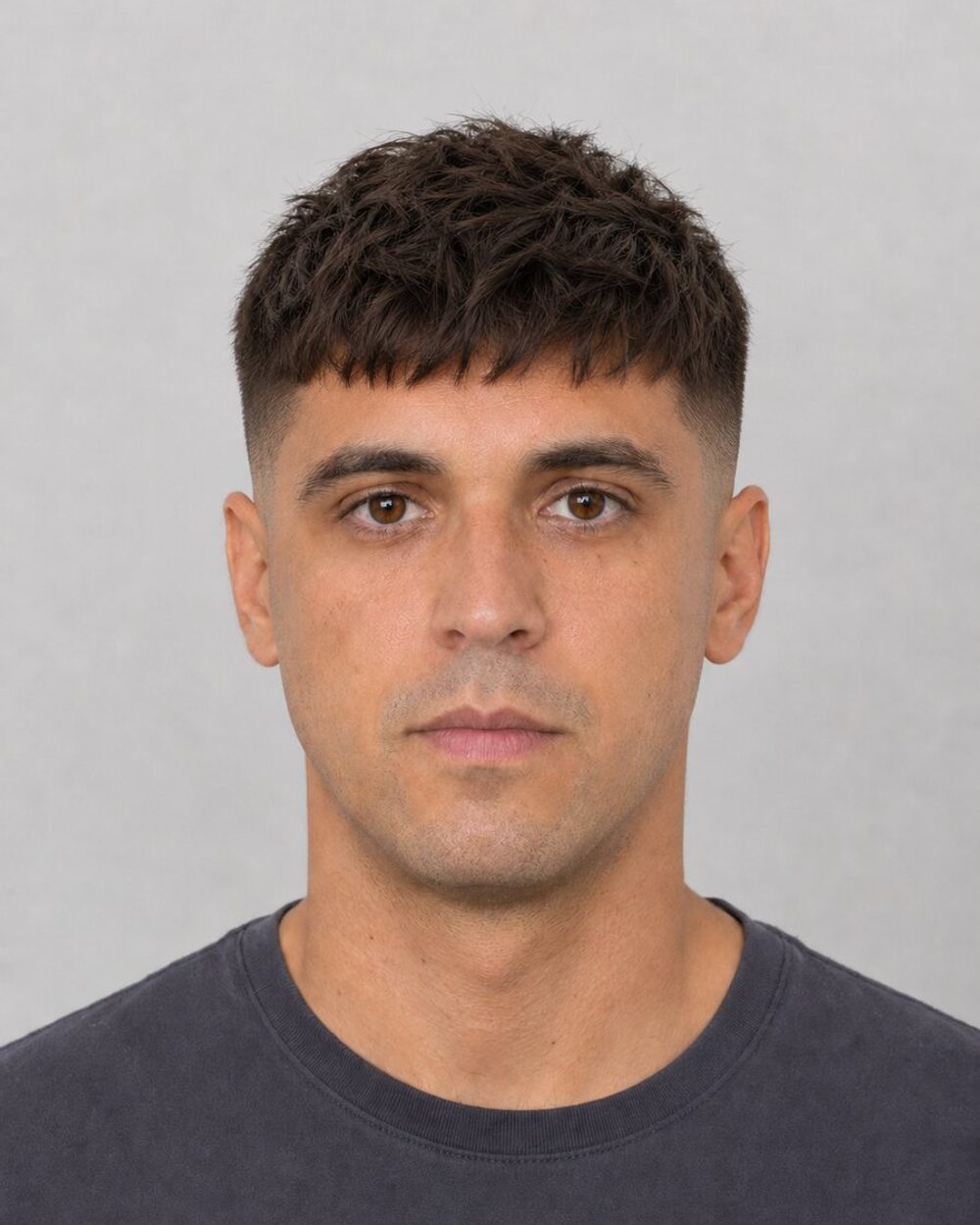
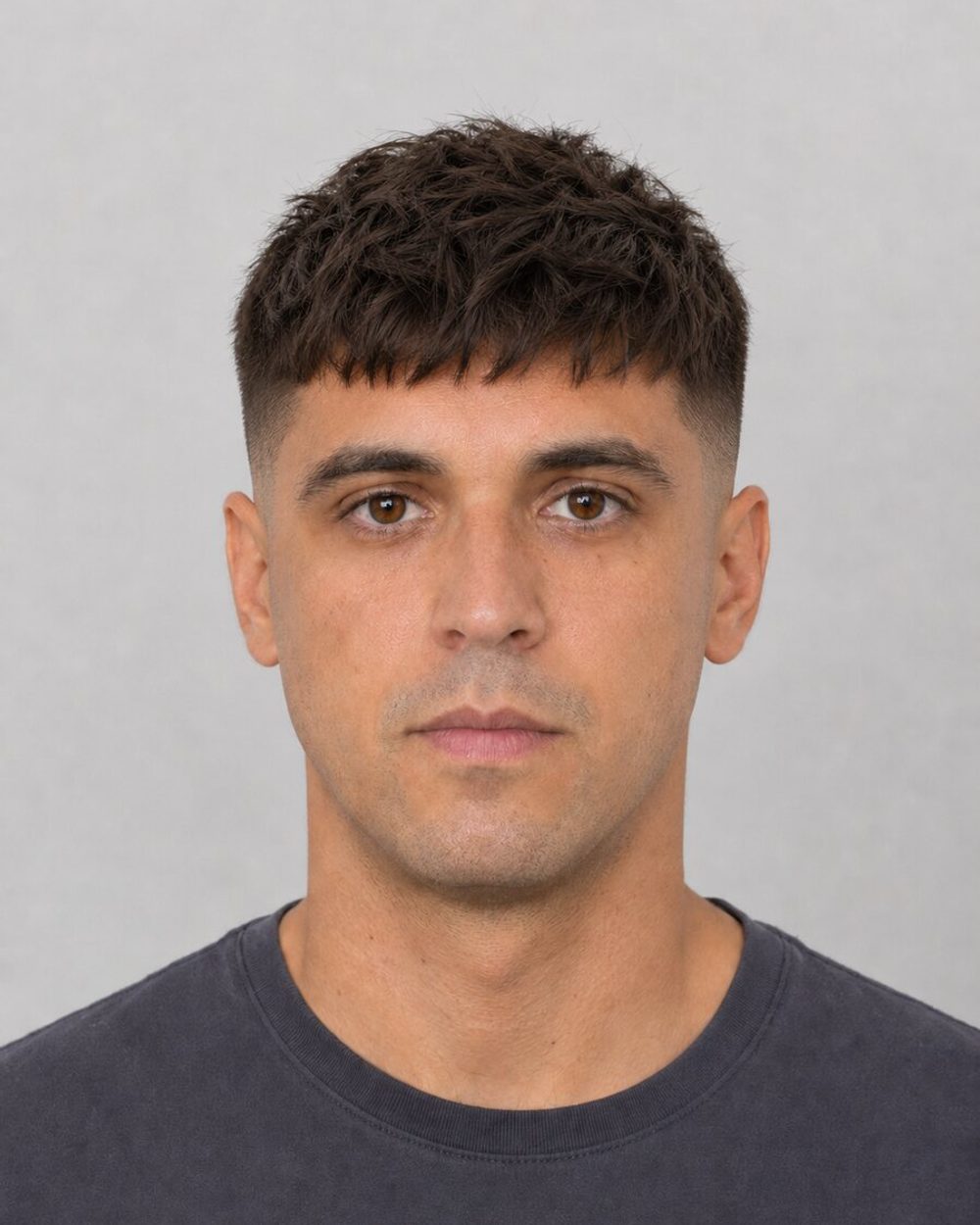
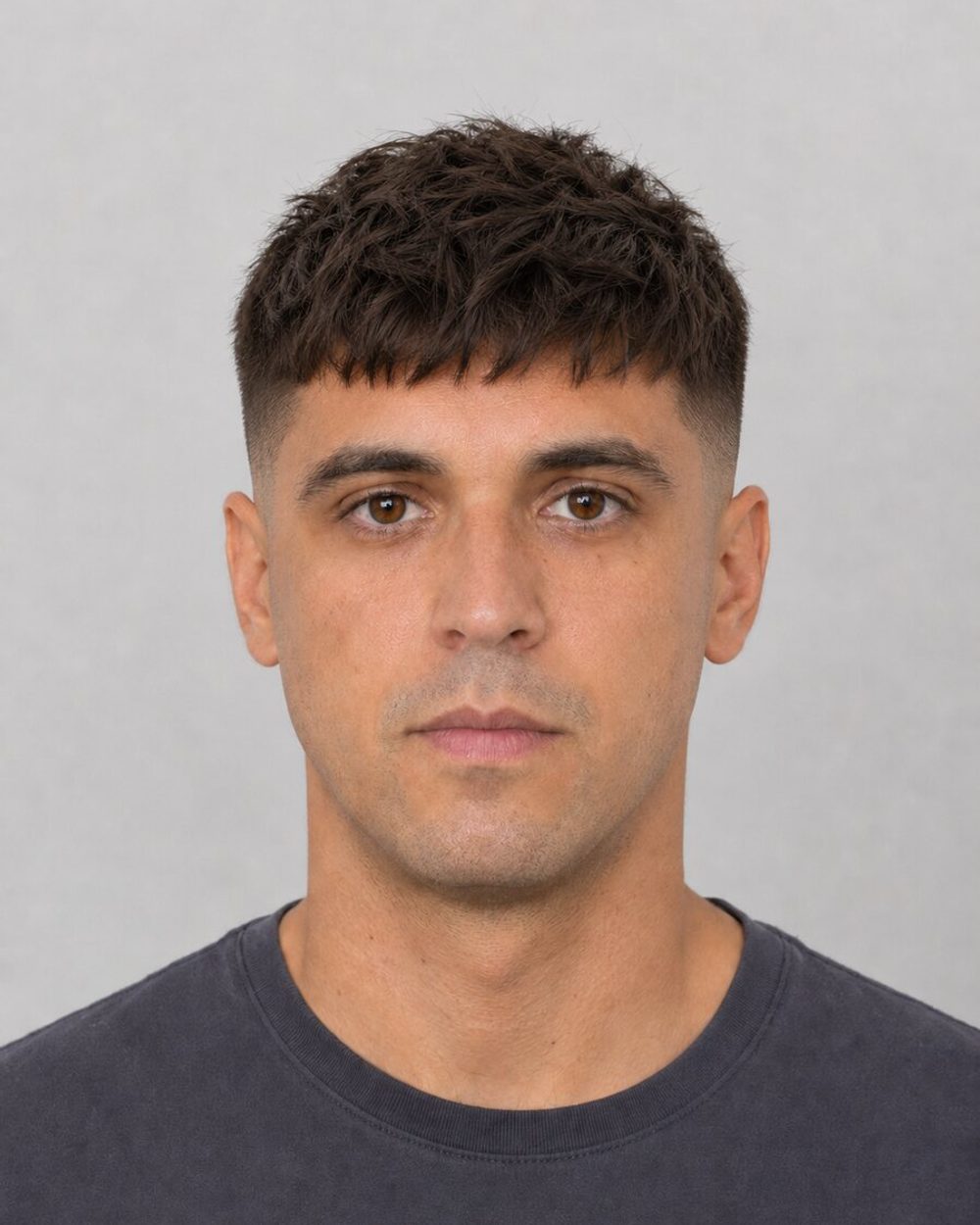
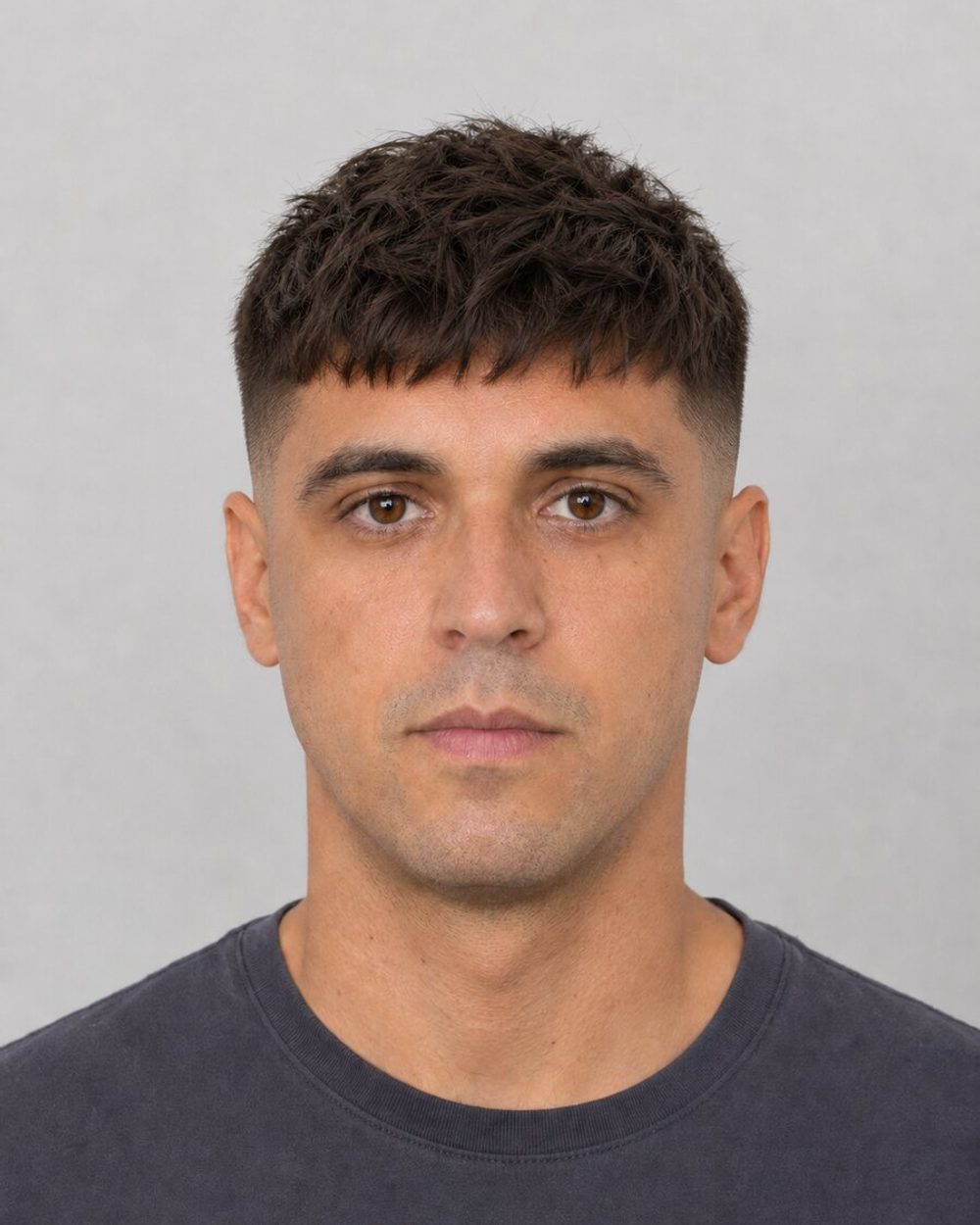
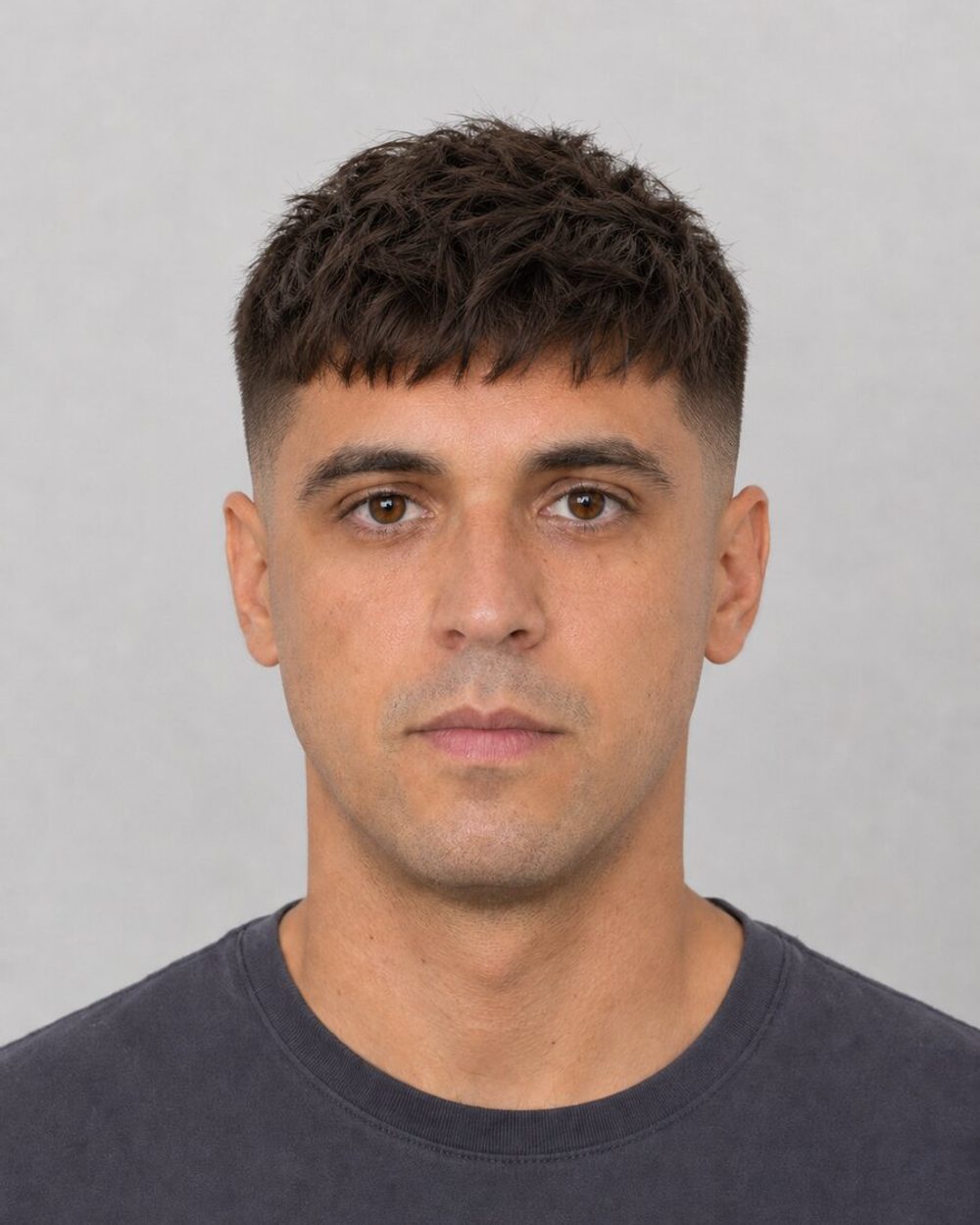
A wide, shaped beard wrapping the chin and jawline, a separate floating mustache, clean cheeks — the Balbo, previewed on your own face before you shave for it.


Real result — same face, not a stock model or a filter.
Not sure it suits your face? Check your face shape — free →
Who it suits
The Balbo — the style a certain armored-superhero actor made a modern icon — covers the chin and runs along the jawline while staying disconnected from its mustache, with cheeks and sideburn areas shaved clean. The jaw coverage adds definition where soft or round faces want it, and the bare cheeks mean patchy upper-cheek growth is no obstacle; in fact the Balbo is the classic recommendation for men who can't connect their mustache to their beard naturally, because the gap is the design. It reads sharp, groomed and slightly rakish at almost any age.
What to expect in real life
Grow two to three weeks of beard first so you have material to carve, then shape the chin-and-jaw mass and isolate the mustache. From there the routine is edge upkeep every two to three days — the cheek lines, the gap around the mustache, and the underside of the jaw all need to stay deliberate. The body of the beard wants a weekly trim to hold its shape. It's more work than a full beard's wash-and-brush routine, but each session is short, and the result always reads styled rather than grown.
How this is different from a filter
A filter pastes a generic beard shape layer over the lower half of your face — you can't see how the edges fall against your own jaw angle, how the density reads with your skin tone, or whether the shape suits your features. Stylery re-renders the facial hair itself — the shaped jaw coverage, the floating mustache, the clean cheek lines — mapped onto your actual photo. Your face shape, skin tone and features stay untouched, so you're judging the style against your real structure, not a stock model.