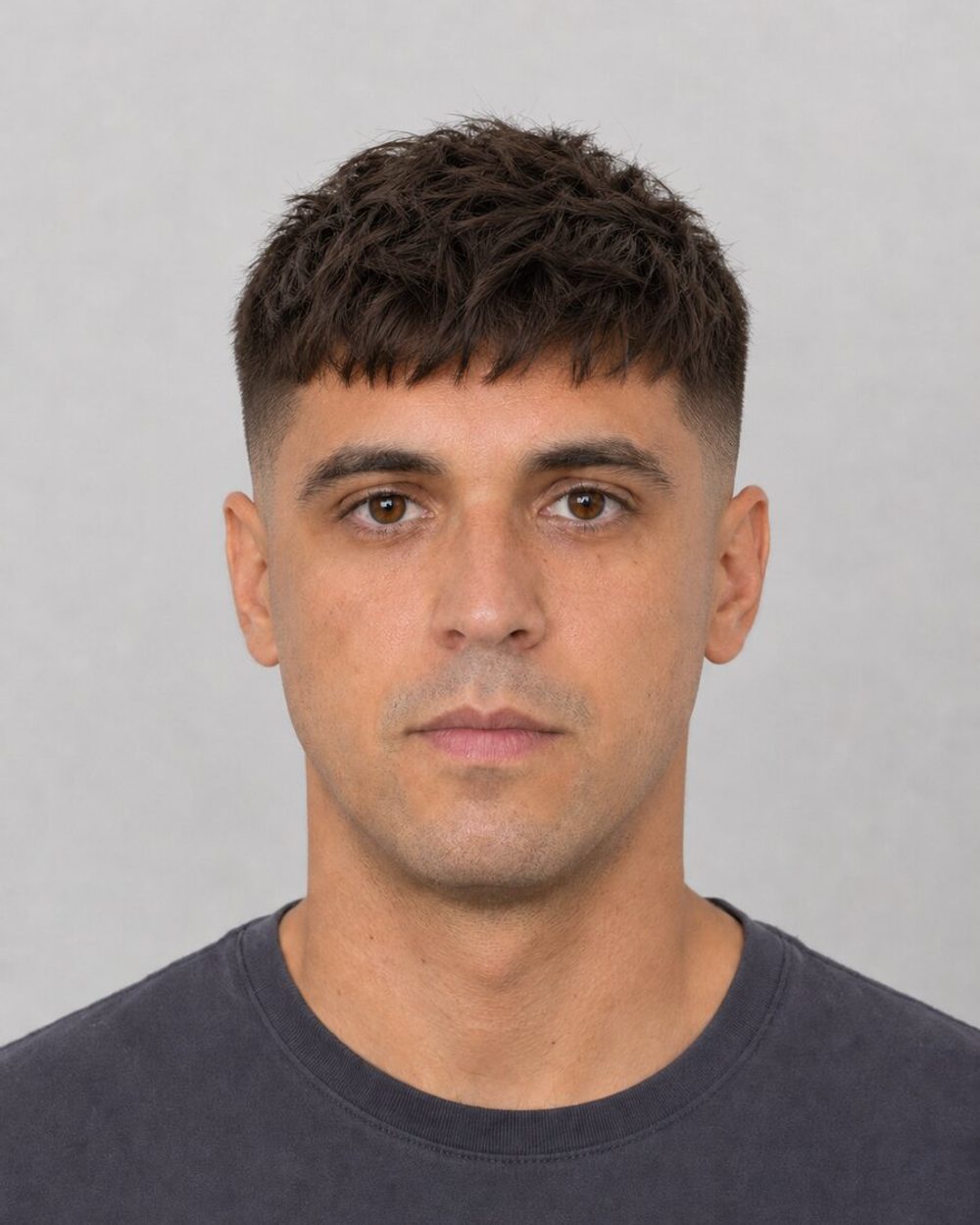
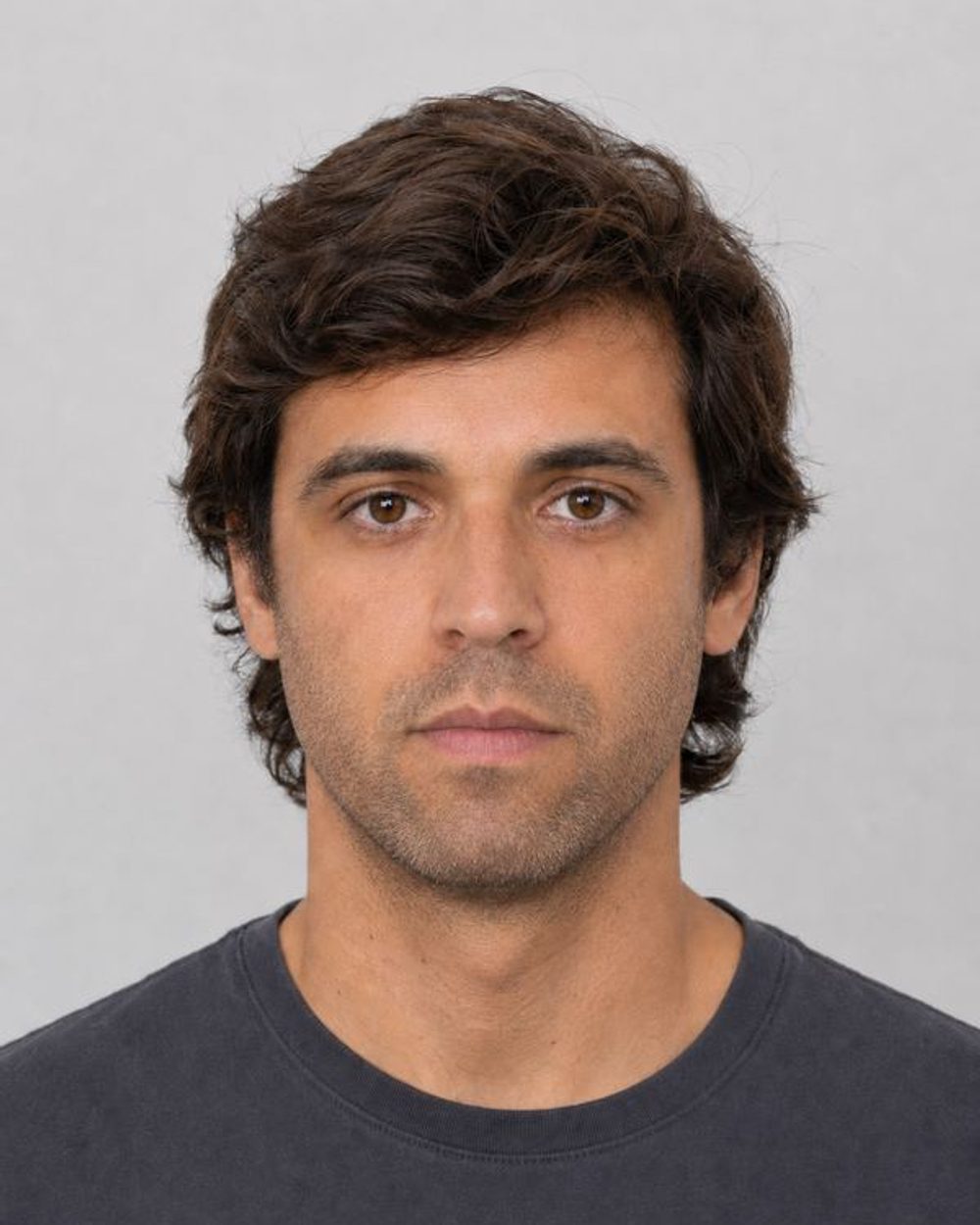
Ducktail Beard
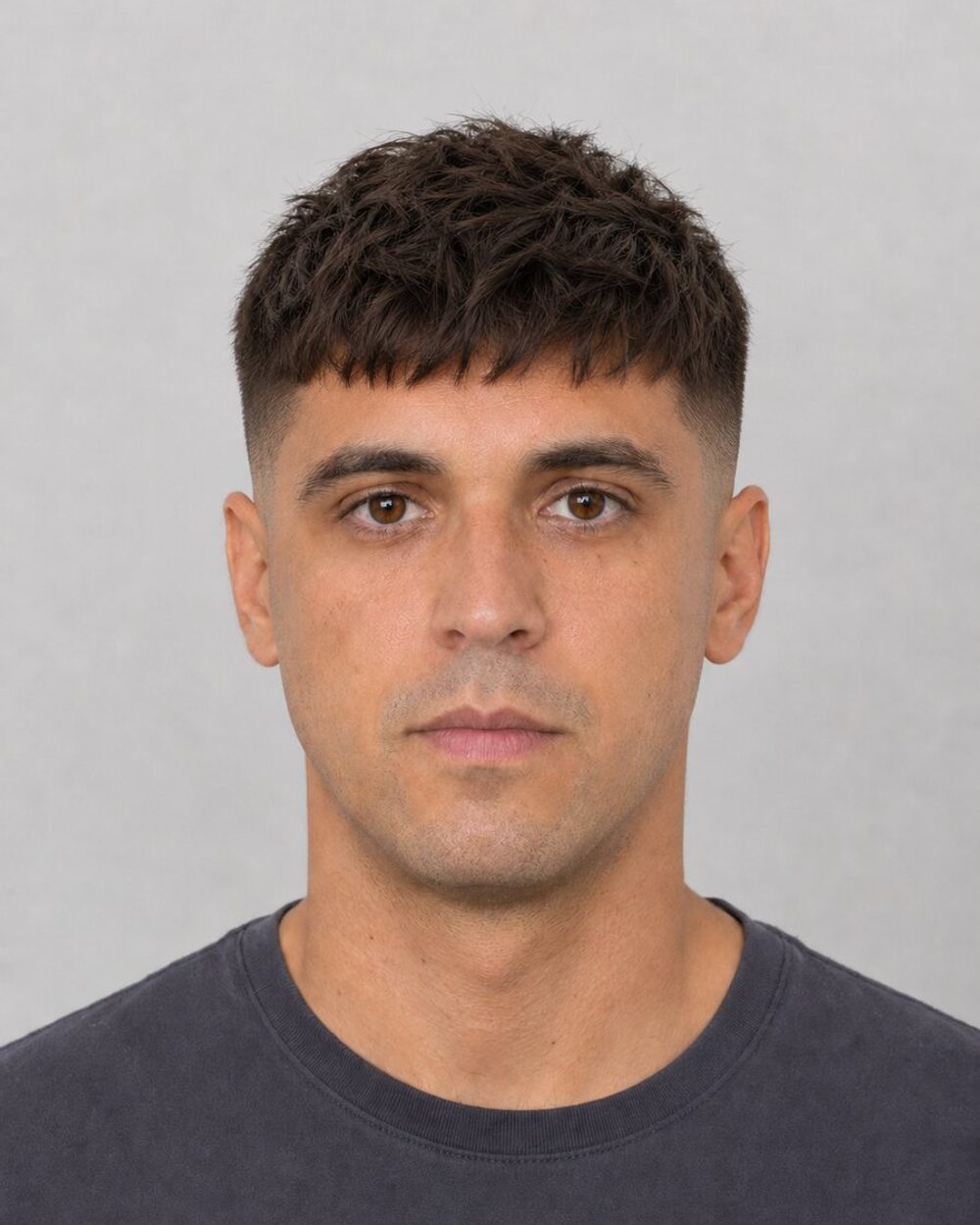
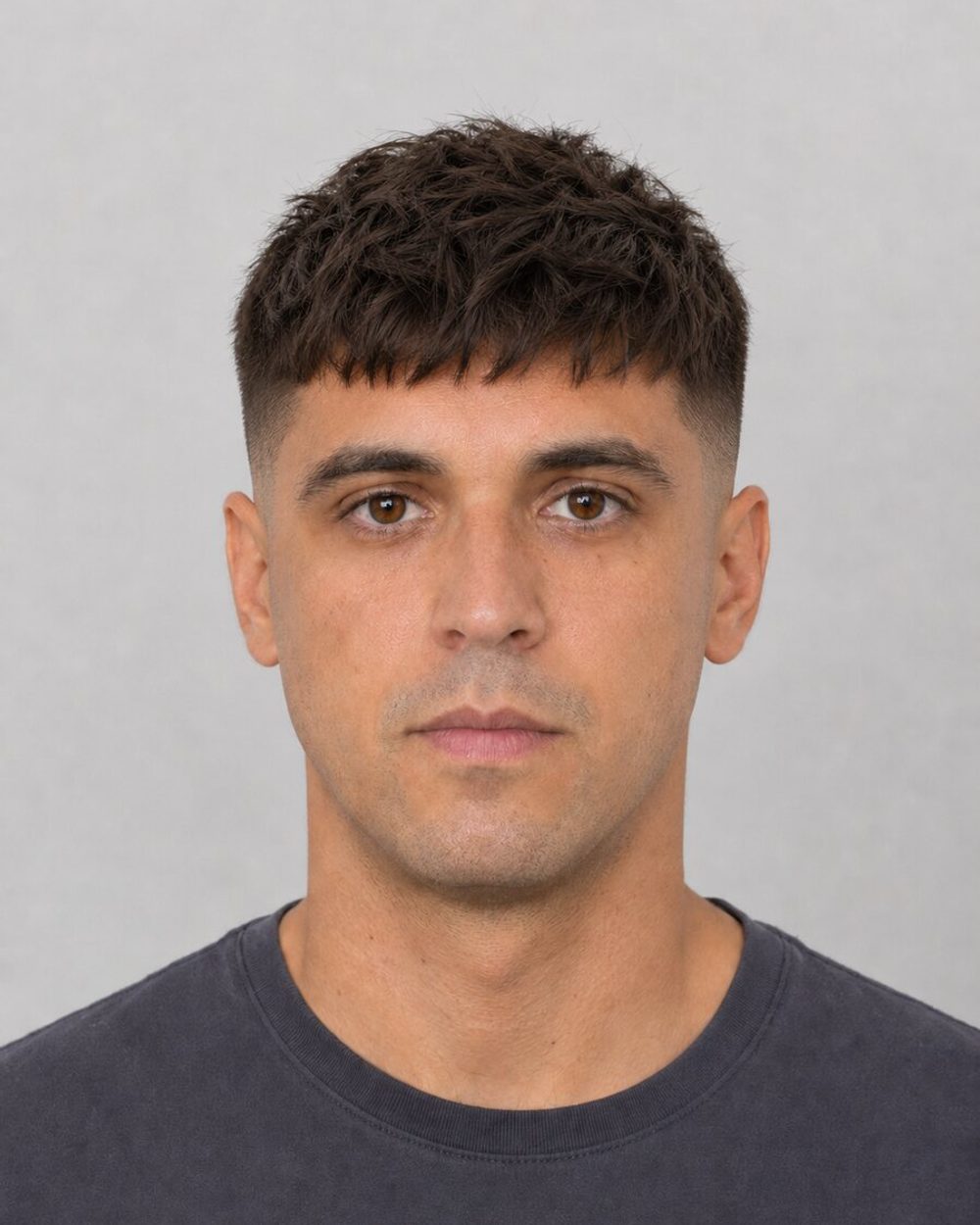
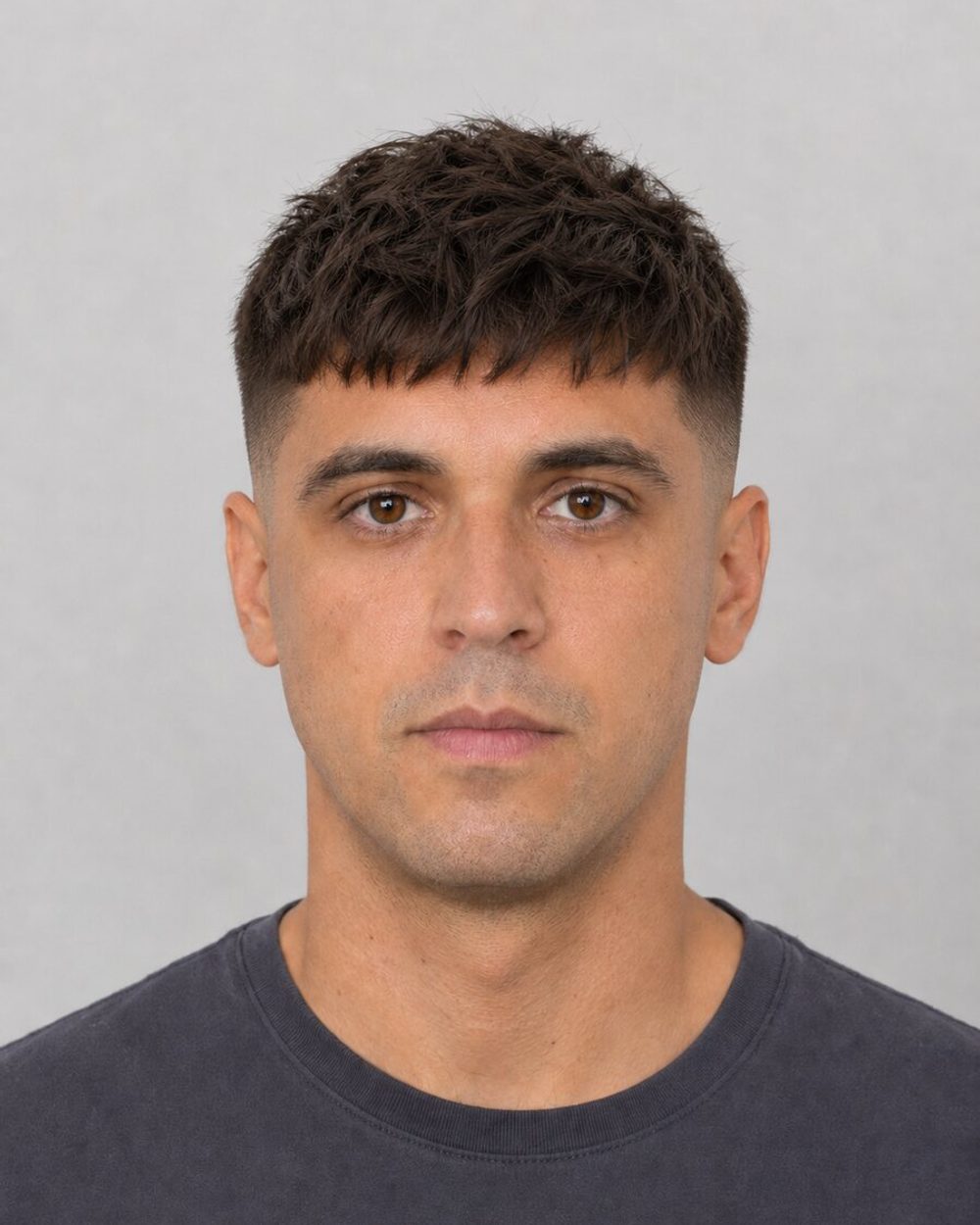
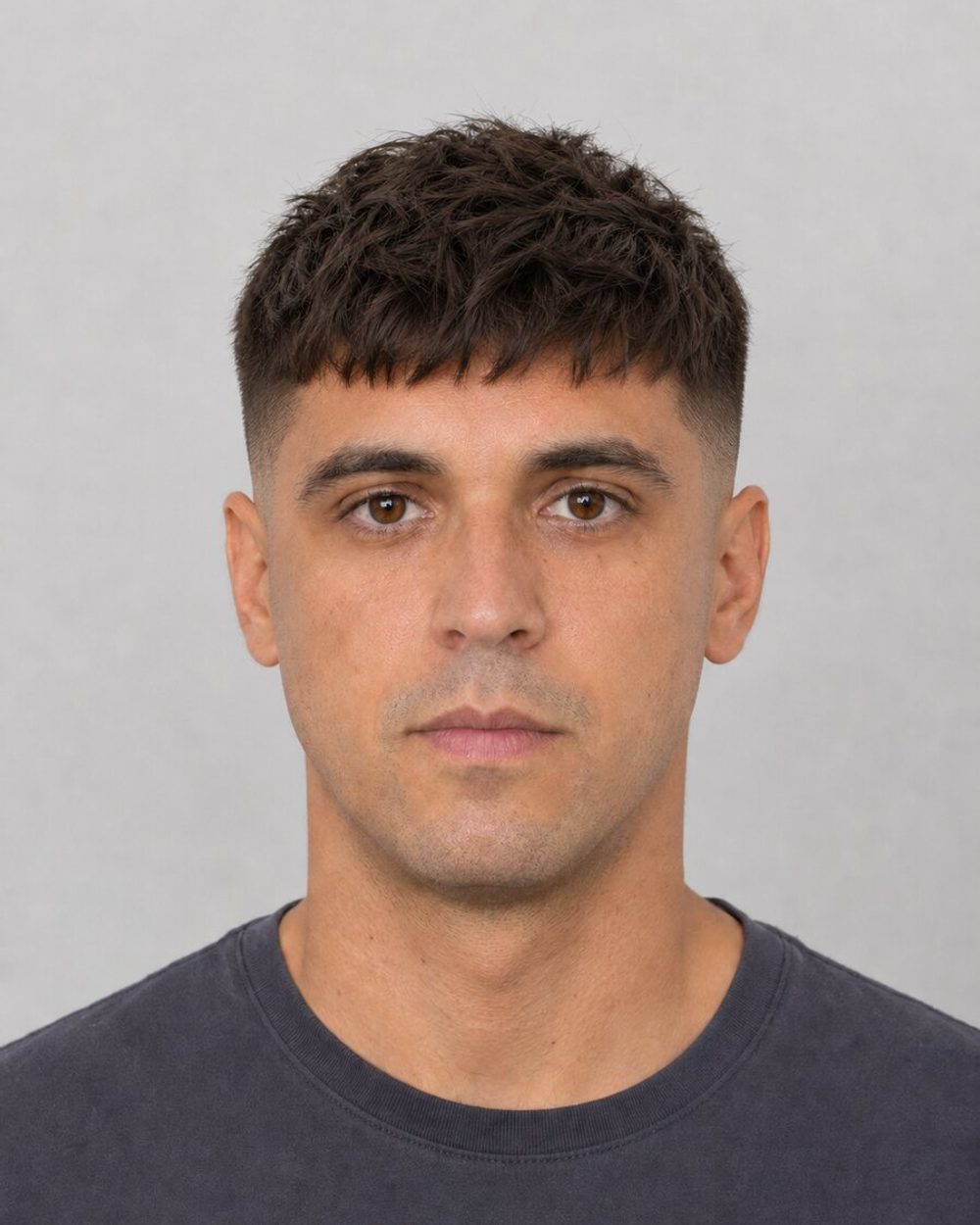
A full beard kept short on the cheeks and lengthening into a groomed point below the chin — the gentleman's full beard, previewed on your own face.
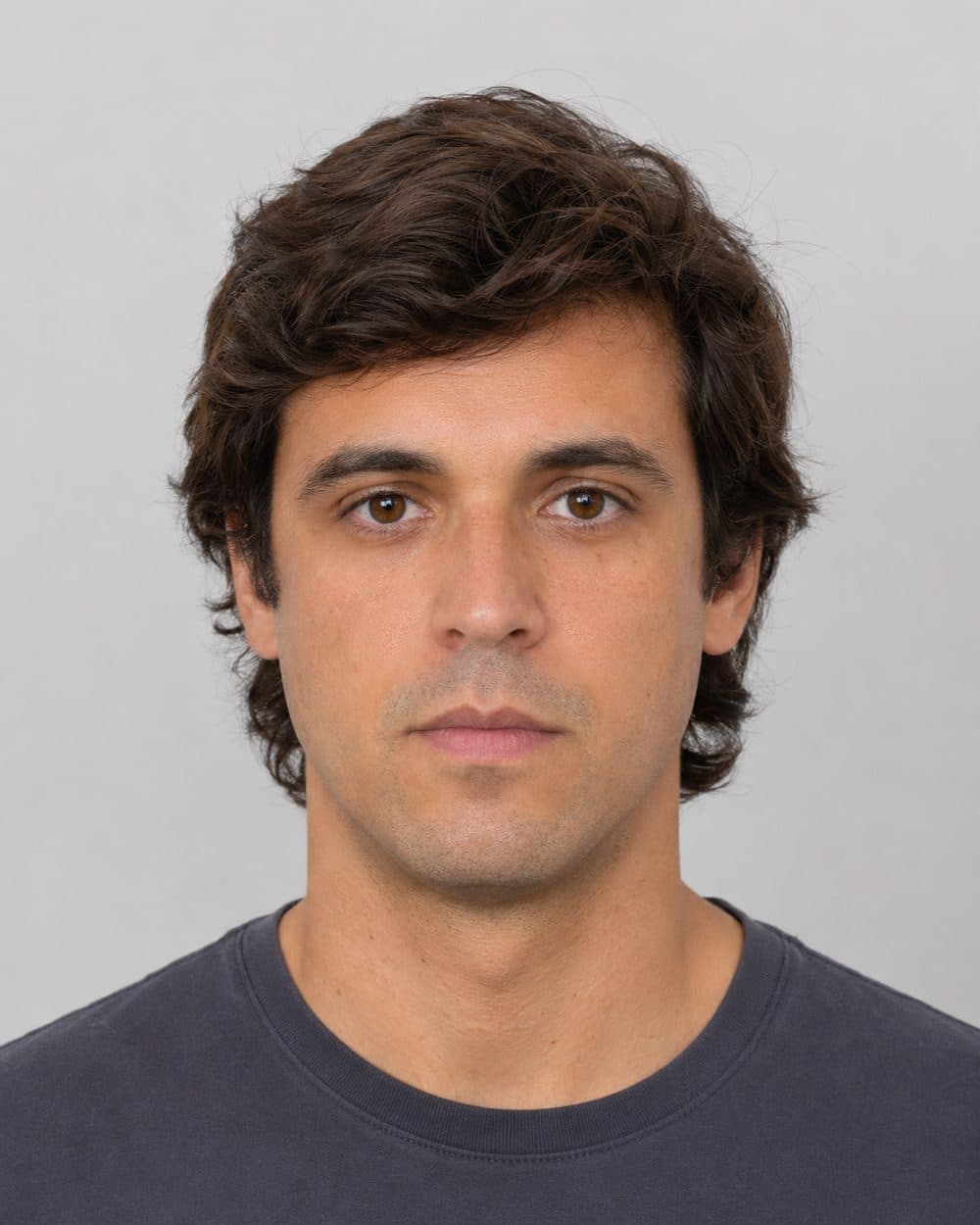
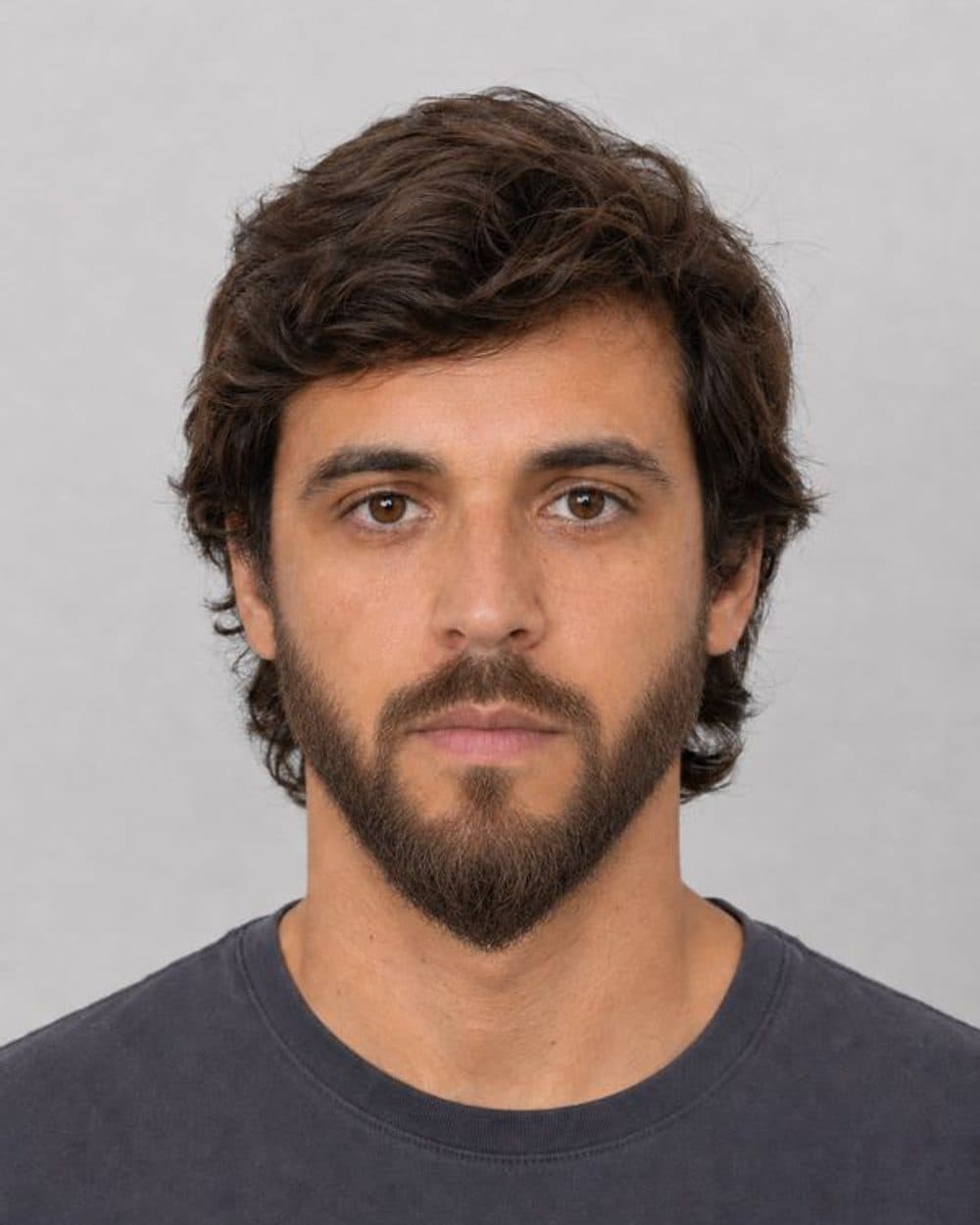
Real result — same face, not a stock model or a filter.
Not sure it suits your face? Check your face shape — free →
Who it suits
The ducktail is the full beard for men who want presence without bulk: cheeks kept short and faded, with length concentrated into a pointed, duck-tail-shaped tip below the chin. That downward taper adds serious length to the lower face, making it one of the strongest choices for round and square faces, while the short cheeks keep the profile tidy and professional. It needs genuine density at the chin — the point is built from it — but tolerates lighter cheek growth better than a uniform full beard, since the cheeks are deliberately kept low anyway.
What to expect in real life
Plan on six to ten weeks of growth before there's enough chin length to shape the tail, and a barber visit to establish the fade-to-point architecture is money well spent. After that it's a maintenance rhythm: cheek fade refreshed every week or two, the point reshaped as it grows, plus the usual full-beard care — washing, a few drops of oil, and a daily brush to train the hair downward into the taper. The ducktail rewards consistency; an untrimmed month turns the architecture back into a generic beard.
How this is different from a filter
A filter pastes a generic beard layer over the lower half of your face — you can't see how the edges fall against your own jaw angle, how the density reads with your skin tone, or whether the shape suits your features. Stylery re-renders the facial hair itself — the cheek fade, the tapering point, the way length distributes from jaw to chin — mapped onto your actual photo. Your face shape, skin tone and features stay untouched, so you're judging the style against your real structure, not a stock model.